
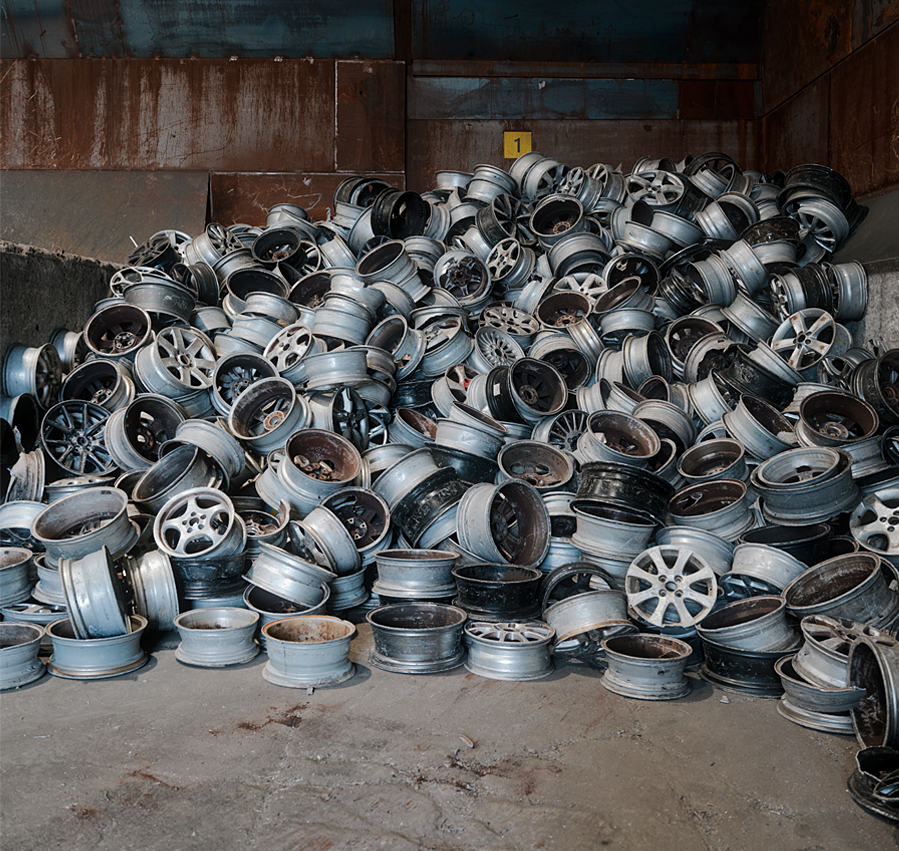
Hydro entered into a collaboration with Parsons Healthy Materials Lab (HML) to explore how advances in recycling and low-carbon production methods are affecting aluminum’s role in the building and architecture sector. The partnership focuses on approaches that are impacting aluminum’s environmental profile and what architects, designers, and manufacturers need to consider as material choices are reassessed in response to climate and regulatory pressures.
“Sustainability starts at the drawing board as an initial framework for a plan of action,” said Duncan Pitchford, head of Recycling, Hydro Aluminum Metals USA. “Architects and designers play an important role in influencing industries to shift toward low-carbon materials. By partnering with a renowned institution like Parsons’ Healthy Materials Lab, we want to empower architects and designers with the knowledge needed to make more sustainable material choices.”
Developing Educational Resources
Hydro and Parsons’ collaboration includes two main components. First, the companies are conducting an aluminum study, which is currently underway. The study will examine low-carbon aluminum solutions, their benefits and limitations, and the implications for material specification and use in construction.
Findings from the study will be published later this year and translated into accessible educational content for architects, designers, builders, and manufacturers through HML’s platform and network. Drawing on years of expertise and an audience of over 100,000 annual site visitors, HML will present a research report that clarifies complex topics related to aluminum, which aligns with its mission to advocate for positive impacts on human health and the environment through informed decision making.
Second, Hydro and Parsons hosted a masterclass on recycled aluminum for construction, which was held on April 28 at the Royal Norwegian Consulate General in New York. Cohosted by Parsons Healthy Materials Lab and Hydro, the session brought together professionals from architecture, design, sustainability, academia, and industry to discuss how recycled aluminum compares with primary production, and how material choices influence emissions across the building value chain.
The masterclass emphasized the need for shared understanding across disciplines as a precondition for accelerating circular and low-carbon construction practices.
“Design decisions are shaped by the information available,” noted Jonsara Ruth, cofounder, Healthy Materials Lab. “Through this collaboration with Hydro, we are expanding research and education around recycled and low‑carbon aluminum, building on what we explored in the Masterclass and developing guidance that supports more informed material choices.”
Presenting at ICFF
The Hydro–Parsons collaboration and its early learnings were presented at the 2026 International Contemporary Furniture Fair (ICFF) on May 17–19 in New York, where Hydro displayed a broader focus on circular materials and low-carbon design.
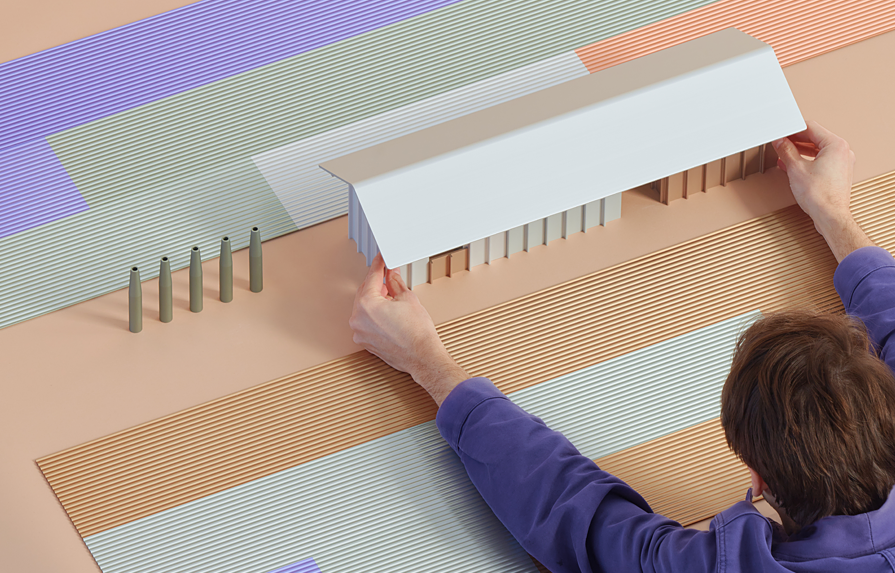
Selected projects from Hydro’s award-winning design exhibitions were also on display at ICFF, providing visual and material examples of recycled aluminum applications. First presented at Milan Design Week, the exhibition demonstrated how post‑consumer scrap can be locally sourced and transformed into high quality design objects within short supply chains.