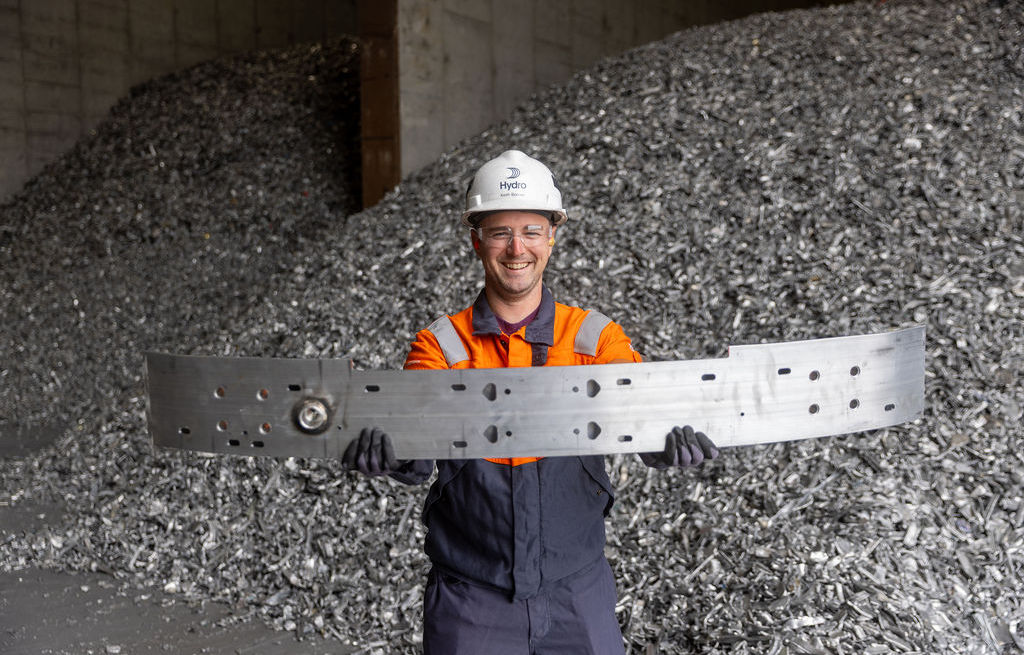
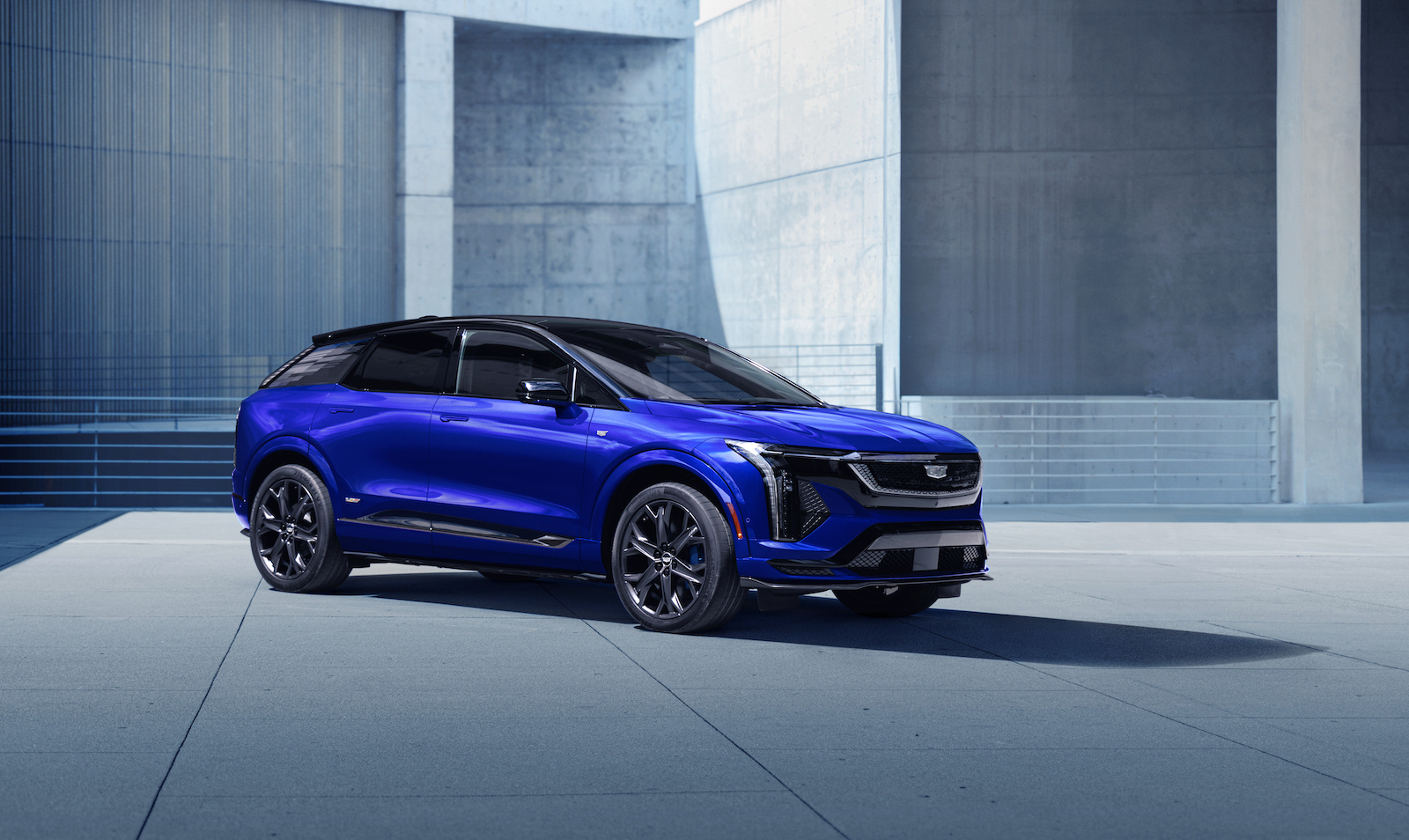
General Motors (GM) is introducing a new bumper system comprised of recycled aluminum in its Cadillac OPTIQ electric vehicle (EV). This marks one of the first U.S. implementations of Hydro CIRCAL, which is independently verified by DNV to have 75% post-consumer scrap, in a structural, safety‑critical automotive application.
“Michigan built the automotive age,” said Duncan Pitchford, vice president, Recycling, Hydro Aluminum Metal. “Now it’s building what comes next. This is circularity in action, and we’re doing it with materials we already have in the United States. By sourcing recycled aluminum locally and making it in Michigan, GM strengthens U.S. production and supply chain resilience, reduces reliance on foreign materials, and advances practical circularity—ensuring old aluminum is reborn as safety‑critical structures for the next generation of vehicles.”
The bumper beam is a structural crash‑management part located at the front of the vehicle, behind the visible bumper cover. It absorbs and distributes impact energy in collisions to help protect passengers, pedestrians, and critical EV systems. This is an application where material choice is essential.
Hydro CIRCAL is comprised of aluminum recovered from end‑of‑life products, such as old vehicles, windows, doors and electrical cables. It is independently verified by DNV to have 75% post-consumer scrap, providing traceability in support of OEM sustainability reporting. The product offers a market‑leading carbon footprint of just 1.5 kg CO₂e/kg aluminum (or less), delivering an estimated 70% reduction in CO₂ emissions compared to the North American average for primary aluminum production.
Using Hydro CIRCAL in the Cadillac OPTIQ demonstrates that aluminum with high post‑consumer recycled content can meet demanding performance needs of automakers regarding strength, energy absorption, corrosion resistance, and formability.
The bumper is made entirely in Michigan. Hydro supplied the recycled aluminum from its newest recycling facility in Cassopolis, Shape Corp. engineered and assembled the bumper system in Grand Haven, and GM integrated it into its Cadillac OPTIQ EV platform in Detroit. As a result, the front bumper system combines local craftsmanship with circular materials for the next era of electric mobility, while keeping American scrap in the U.S. value chain.