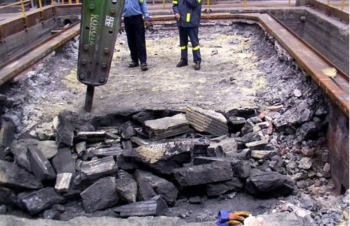
• Figure 2. Demolition and removal of SPL from an aluminum cell cathode.

    Posted in:

    The SPL Waste Management Challenge in Primary Aluminum

    By Alton Tabereaux, Contributing Editor. Spent potlining (SPL) disposal is one of the largest environmental waste management challenges confronting worldwide primary aluminum smelters due to its toxicity. The International Aluminium Institute (IAI) asserts that 1.6 million tons of SPL were generated from primary aluminum production in 2019,1 making it the second largest waste volume produced […]

  • Posted in:

    Aluminum E-trike for Greener Deliveries

    Hydro is collaborating with electric car maker Polestar and electric motorcycle producer CAKE on Re:Move, a low-carbon aluminum electric trike that aims to make transport of the “last mile” of deliveries cleaner.  The companies also hope that the Re:Move trike will spark conversation about how to go about accelerating the societal shift towards more sustainable e-mobility. […]

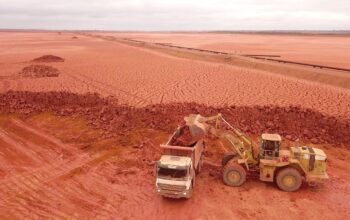
  • The Tailings Dry Backfill method replaces the need for raising and building new dams used in traditional methods, improving safety and environmental performance.

    Posted in:

    Hydro Pioneers Sustainable Solution for Red Mud Disposal

    Hydro has developed and implemented a new method for the final disposal of bauxite residue (also known as red mud), which the company has been testing at its Mineração Paragominas bauxite mine in the northern state of Pará, Brazil. This pioneering technology, called Tailings Dry Backfill, replaces the need for raising and building new dams […]

  • A new process has the potential to use up to 90% less energy than conventional recycling. (Photo: Bård Gudim)

    Posted in:

    Hydro Launches Industrial Pilot for New Recycling Technology

    Hydro is working with Nuvosil, a circular economy start-up based in Norway, to launch an industrial pilot project on new technologies for the recycling of aluminum and silicon. The aim of the project is to significantly reduce energy consumption and processing costs. The Low Energy Recycling (LER) project is being developed by consortium partners Hydro […]

  • Posted in:

    Audi is the First Car Manufacturer to Receive the ASI Chain of Custody Standard

    Audi successfully achieved the Aluminium Stewardship Initiative (ASI) Chain of Custody Standard for its rolled material press shop operations at its production facilities in Neckarsulm and Ingolstadt, Germany. The company’s press shops use aluminum sheet material to manufacture automotive body panels for its vehicles. The scrap aluminum from these operations is collected in a separate […]

  • Figure 1. The 45 MN, 10 inch direct press was designed with the demands of the automotive industry in mind.

    Posted in:

    Hydro Cressona Serves Automotive Industry with New Highly Automated Press Line

    By Andrea Svendsen, Managing Editor. The Hydro Extrusion North America facility in Cressona, PA, has been in operation since 1942, when it was commissioned by the U.S. government to support World War II efforts. Today, the over 1.6 million sq ft site has ten direct and indirect extrusion presses, ranging in sizes from 10 to […]

  • Posted in:

    Aluminum is New Standard for Sustainable Marine Vessel Design

    Arksen, a U.K. marine innovation, technology, and adventure company, is partnering with Hydro on an aluminum exploration and research vessel project. Arksen selected aluminum as the key design material for developing a new standard in sustainable marine vessels. The partnership with Hydro provides Arksen with access to low-carbon aluminum and to Hydro’s aluminum expertise. Vessels […]

  • Buzon Pedestal International utilized Hydro EcoDesign to improve the gutter profiles in its product package, used here for the Hammersmith project in London.

    Posted in:

    Hydro Develops Method to Support Environmentally Friendly Aluminum Design

    Hydro has developed EcoDesign, a new method for the development of sustainable aluminum products. The method provides a means for creative collaboration between designers and materials engineers enabling them to improve the functionality of a product, as well as its social and environmental footprint. This complements the growing number of products and services the company is offering […]