
The U.S. has seen heavy investment in secondary aluminum recycling capacity in recent years in order to address increased demand for low-carbon aluminum products. With secondary production accounting for 84% of total U.S. aluminum production in 2024 (representing 3.6 million tons of the 4.27 million total), this trend is likely to continue. However, this growth comes with challenges, particularly the need to have access to post-consumer aluminum scrap as a raw material. In 2023, the U.S. aluminum can recycling rate was 43%, which is lower than the ~52% average that has been maintained since tracking began in 1990 and the lowest in a decade. In addition, mixed scrap grades, like twitch and zorba, are still often shipped overseas for sorting, reducing domestic supply.
The Secondary Aluminum Coalition for America (SACA) was recently formed to address these concerns (among others) by providing a unified voice for the U.S. secondary aluminum industry. Formed by Metal Exchange Corporation, Smelter Service Corporation, Shapiro Metals Company, Tower Extrusions, Western Extrusions Corporation, Tri-Arrows Aluminum, Inc., Schupan & Sons, Pennex Aluminum Company, and Kibar Americas, the new organization will advocate for the secondary aluminum industry as a driver of job growth and industrial capacity.
SACA is organized by companies with operations across 17 states, employing thousands of workers across every link of the domestic secondary aluminum supply chain — from scrap collection and sorting to remelting, casting, and extrusion. The organization represents companies across the country, producing the recycled aluminum that supplies U.S. manufacturers, infrastructure, and national defense supply chains.
In this interview, several SACA members discuss the current secondary market, the concerns the coalition would like to address, and how it aims to secure the long-term future of America’s secondary aluminum supply chain. This includes plans to work with U.S. government bodies to advance policies that strengthen domestic capacity, support the American workers and communities that the recycling industry sustains, and ensure secondary aluminum has a seat at the table on the decisions that shape America’s industrial future.

How did the participating companies come together to form the SACA?
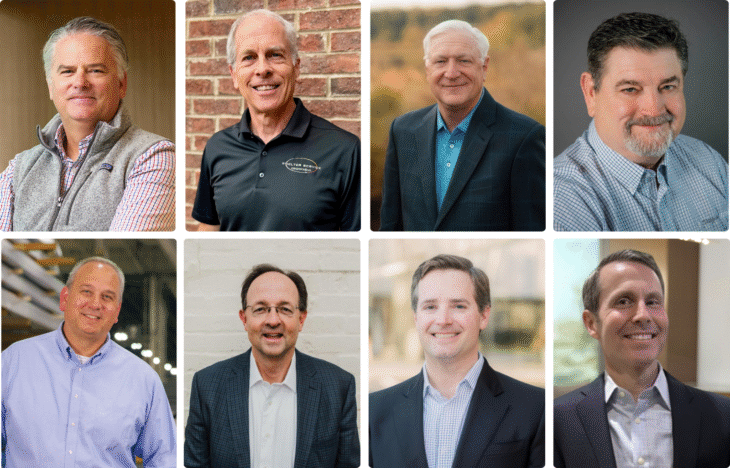
Matt Rohm (pictured), CEO of Metal Exchange (MX Holdings) and Founder of SACA: In August 2024, our Pennex extrusion facilities were running well below capacity, part of a broader squeeze on domestic aluminum producers. As the industry struggled, we saw new economic challenges where our employees who trade, melt, cast, and extrude aluminum, along with the wider public, were increasingly priced out of the products they produce — the cars, the homes, and the everyday goods built on aluminum.
That contradiction is what SACA is about. When the U.S. can’t supply enough of its own aluminum, prices climb and American manufacturers and consumers absorb the difference. Closing that supply gap with domestic metal is how you bring aluminum back within reach, and the secondary sector is the fastest way to do it.
Our founding members represent every link of that supply chain, from scrap collection and sorting to remelting, casting, extrusion, and aluminum rolled products. They came together around a shared recognition: the companies that recycle American scrap into American metal can close the gap faster than any other segment.
The coalition includes nine companies, mostly mid-market, privately held, and family- or ESOP-owned. We manage for the long-term health of the industry and the communities we operate in, and coming together gives the secondary sector a coordinated voice to advocate for what makes a difference for us, our customers, and the places we do business.
Just as important as who we are is how we operate. All nine founding members have equal say in setting the coalition’s agenda, the same voice at the table regardless of size or segment. The supply gap touches every part of the chain differently, and we built SACA as a place where all of those perspectives shape the priorities.
Why is now an important time to form SACA as an organization?
Rohm: This administration has set out to rebuild America’s aluminum capacity, and the secondary supply chain is the fastest way to help deliver it. Secondary production processes and remelts scrap into new metal, which lets the industry add capacity faster and at lower cost than building new primary capacity from raw materials. That speed matters when policymakers are actively working to close the domestic supply gap.
We didn’t form this coalition to change the current trade structure. That’s not our focus. Our focus is to build more domestic production and to help close the U.S. supply gap. Because our members represent every segment of the secondary chain rather than a single link, we have a full view of where investments are needed and what it will take to get shovels in the ground.
Secondary aluminum is central to restoring adequate U.S. supply, and it works alongside the primary smelter investments, not instead of them. We need both. Matching U.S. supply to U.S. demand is how we keep American manufacturers supplied with domestic metal rather than pushing them toward substitute materials. SACA formed now to make sure secondary aluminum is at the table as those decisions get made.
What is the status of the secondary aluminum and recycling industry in the U.S.? What are the current trends? What are the challenges?
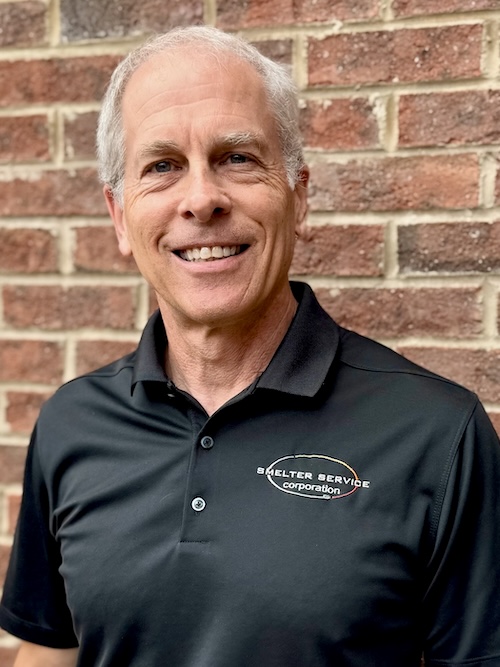
Tom Grosko (pictured), President, Smelter Service Corporation: The U.S. has quietly become a secondary-aluminum country. More than 97% of aluminum industry employment now sits outside of primary smelting, and it supplies the metal used by U.S. manufacturers, infrastructure, and national defense supply chains.
The clearest trend is that secondary has become the primary source of domestic aluminum supply, and the most rapid and cost-effective path to expanding U.S. capacity. Investment continues in new and expanded remelt facilities, advanced sorting systems, and higher-purity processing. These improvements raise yields and broaden the range of end uses secondary metal can serve.
The central challenge is feedstock. Substantial end-of-life aluminum exists in the U.S., but domestic collection rates remain too low relative to growing remelt demand, and significant volumes of lower-grade scrap are still exported for labor-intensive sorting abroad. As the industry adds remelt and casting capacity, the need for reliable domestic feedstock will only intensify. Meeting the purity and consistency that high-spec automotive and aerospace applications demand also requires continued investment. Closing the supply gap will take scaling collection, sortation, remelt, and casting capacity together, end-to-end.

Scrap recovery — particularly of beverage cans — has been and continues to be a major challenge in the U.S. How does SACA aim to help address this issue?
Tom Emmerich (pictured), COO, Schupan & Sons, Inc.: Beverage can recovery is one of the clearest opportunities in the entire supply chain. Too much of the aluminum that could be remelted into new domestic metal is not being captured and processed here at home. Every can that ends up in a landfill is a lost opportunity, both the aluminum itself and the alloying metals it carries. Recovering more of this metal is the rare move that adds domestic supply without adding load to a grid already straining to power new demand. You get a smelter’s worth of aluminum without building the smelter or the power plant behind it.
SACA members represent the collection and processing side of the supply chain, including aluminum beverage cans, and the coalition’s mission is to protect and grow America’s aluminum supply chain. That means supporting stronger domestic collection: onshoring scrap that today leaves the country, capturing that material at home, and building the capacity to consume it quickly through increased secondary production. Increasing beverage can recovery is achievable, and it creates jobs that can’t be offshored.
SACA supports efforts to improve collection rates, educate the public, and keep more of this material in the domestic supply chain. What’s needed is the infrastructure and the will to collect and reuse these materials efficiently. This isn’t only an aluminum industry issue; the national energy sector, defense supply chains, and many parts of the economy benefit when more of this material is captured and put back to work at home.

Is there a need for the U.S. to invest in more sorting facilities and technologies?
Bob Alvarez (pictured), President and COO, Shapiro Metals: Yes. The constraint isn’t a shortage of recoverable aluminum; it’s the lack of domestic infrastructure to sort it. Too much American scrap leaves the country as low-grade mixed material for labor-intensive sorting abroad, then returns as finished metal. Building out domestic sorting keeps that material and its value here.
The investment needed is in three areas: cleaner separation at the source, regional facilities to aggregate and upgrade scrap for U.S. consumers, and sensor-based sorting that separates aluminum by alloy chemistry and end-use value. With that capability in place, more of the scrap the U.S. exports today becomes high-quality domestic feedstock for automotive, defense, infrastructure, and packaging manufacturers.
Editor’s Addition: SACA sees a number of specific technologies as priorities, including x-ray transmission sorting, AI-enabled optical and multi-spectral sorting, laser-induced breakdown spectroscopy for alloy separation, advanced eddy current separation, and thermal de-coating.
What are the goals of SACA as an organization? How will it act as an advocate for the secondary aluminum industry?
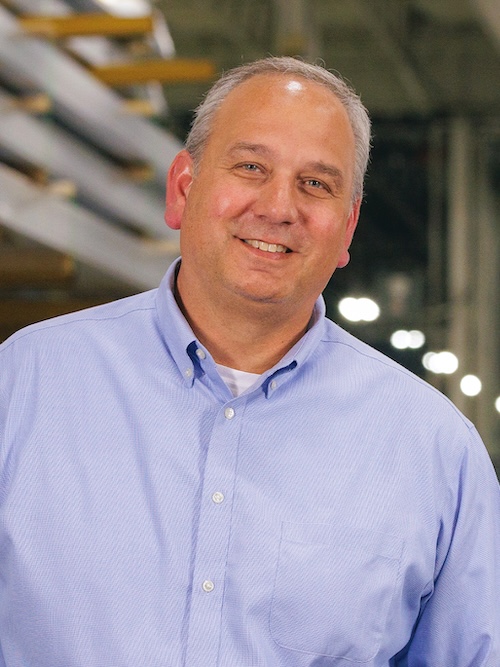
Mark Butterfield (pictured), President of Manufacturing, Pennex (MX Holdings): SACA’s vision is an America that meets its own aluminum needs — powered by domestically recovered scrap and secured by a self-sufficient secondary supply chain. Its mission is to close the ~3 million tonne unwrought aluminum shortfall (Phase 1 of a broader ~7.7 million tonne agenda) through expanded secondary smelting, advanced scrap recovery, public education, government partnership, and R&D that brings secondary aluminum to full equivalence with primary metal.
This mission is organized around six strategic pillars:
- Close the Supply Gap – quickly expand secondary smelting capacity to close the 3 million tonne unwrought shortfall.
- Secure Government Support – capture strategic funding, related federal grants and tax credits.
- Advance Scrap Recovery – build technology and infrastructure for higher-volume, higher-quality feedstock.
- Advance Secondary Alloys – fund R&D toward primary-equivalence in aerospace, automotive, and defense applications.
- Educate & Advocate – build public and political understanding of secondary aluminum’s efficiency and value.
- Build Coalition Strength – unite the full value chain for sustained long term policy impact.

Recently, SACA members met with government officials. What sorts of things were discussed? What was the outcome?
Mark McClelland (pictured), President, Tower Extrusions, LLC: Our recent trip to Washington gave SACA a chance to make the case directly that the secondary aluminum industry needs to be part of the national conversation on domestic supply. Coalition representatives met with officials from the White House, the Department of Energy, the International Trade Administration, and the Office of the U.S. Trade Representative, along with bipartisan members of Congress from Tennessee, Michigan, Missouri, Texas, Georgia, and Alabama.
The message we brought was straightforward: secondary aluminum is the fastest and most practical path to expanding domestic production capacity. New secondary facilities can be operational far more quickly than new primary capacity, the process uses a fraction of the energy, and the jobs it creates are spread across manufacturing regions in many states rather than concentrated in one place.
We came away encouraged by the bipartisan recognition of the need to invest in secondary aluminum to help boost domestic capacity and meet demand. Congressional engagement is continuing.

How could U.S. federal and state governments best support the secondary aluminum and recycling industry? What changes are you advocating for?
Bennett McEvoy (pictured), President, Western Extrusions: Government can help most by treating secondary aluminum as central to domestic aluminum policy, not an afterthought to primary production. Recognizing it as a fast, scalable source of domestic capacity, and building policy around keeping American scrap in the American supply chain, is the shift that matters.
Closing the supply gap takes progress on collection, sorting, and capacity together, so the coalition is working with policymakers on the right combination rather than pushing a single fix. The throughline is consistent: measures that turn American scrap into American metal, support American jobs, and strengthen supply chain resilience, supplementing primary production. That includes stronger domestic collection and sortation infrastructure and the long-term policy predictability that lets mid-market producers invest with confidence.

What does SACA hope to achieve within the next five years?
Trevor Hansen (pictured), President, Metal Exchange: The single biggest opportunity is speed. Secondary capacity can come online in a few years, where new primary capacity takes closer to a decade. Within five years, the right investment conditions could stand up significant new domestic capacity across processing, melting, and casting.
That means more American scrap processed here at home, more capacity online quickly, and secondary aluminum established as a core pillar of the domestic supply chain alongside primary production. Both benefit: a more resilient supply base for U.S. manufacturers and steadily reduced reliance on imports. The opportunity is here, the capacity is ready, and we’re going to build it.
Is there anything else you feel is important to share?
Rohm: The most important thing to understand about secondary aluminum is that it turns a resource America already has into supply America needs. Approximately 75% of the aluminum ever produced is still in use today, in our cars, our buildings, and our packaging, which means the feedstock for secondary production is already here. We can use this feedstock rather than depending on imported raw materials from abroad. That domestic foundation is what makes secondary a source of supply chain resilience, and not just a source of metal.
Secondary aluminum has been doing this quietly for decades. What’s new is the recognition, in Washington and across the industry, that it’s one of the fastest and most secure ways to strengthen America’s industrial base. It is additive; it supplements primary production, and the two are complementary, not competitive. Recycling American scrap into American metal is the fastest, most capital-efficient and energy-efficient way to put more domestic metal on the market and strengthen supply chain resilience. That’s the case SACA brought to Washington, and it’s the case the coalition will keep making.
Editor’s Note: This article first appeared in the August 2026 issue of Light Metal Age. To receive the current issue, please subscribe.