
By J.P. Weiler, Meridian Lightweight Technologies, Inc.
Magnesium, the lightest structural metal, has remained a material of interest in aviation and aerospace for nearly a century. With a density lower than that of aluminum and comparable with carbon fiber composites, magnesium alloys offer an exceptional strength-to-weight ratio and machinability that appeal to aircraft applications. However, its use has been limited historically by corrosion susceptibility, elevated-temperature performance, and concerns over flammability. This article reviews magnesium’s evolution in aviation applications and explores recent advances in modern aerospace, electric aviation, and advanced air mobility applications.
A Brief History: Wartime Wonder
Magnesium entered the aviation mainstream in the 1930s, driven by the aerospace sector’s relentless pursuit of lighter structures. Italian and German engineers were the first to adopt magnesium alloys for aircraft components, using it in propellers, control surfaces, and engine housings. During World War II, the U.S. also ramped up production, producing over 300,000 tons per year through government-owned facilities to supply new applications in military aircraft.1
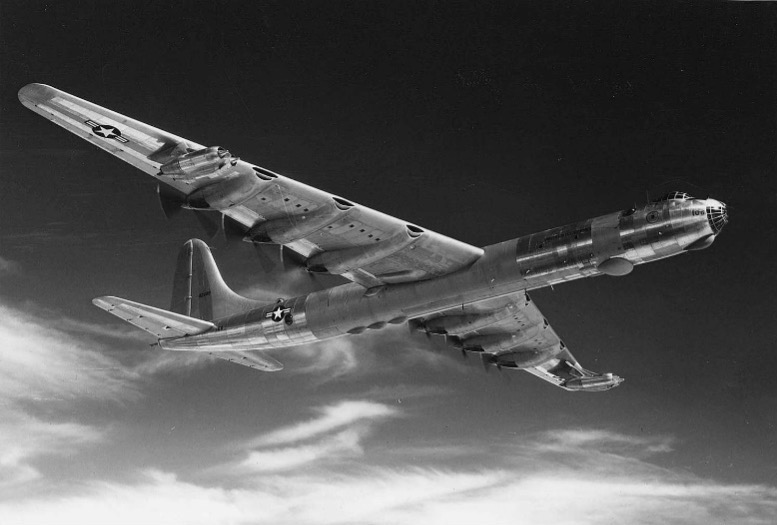
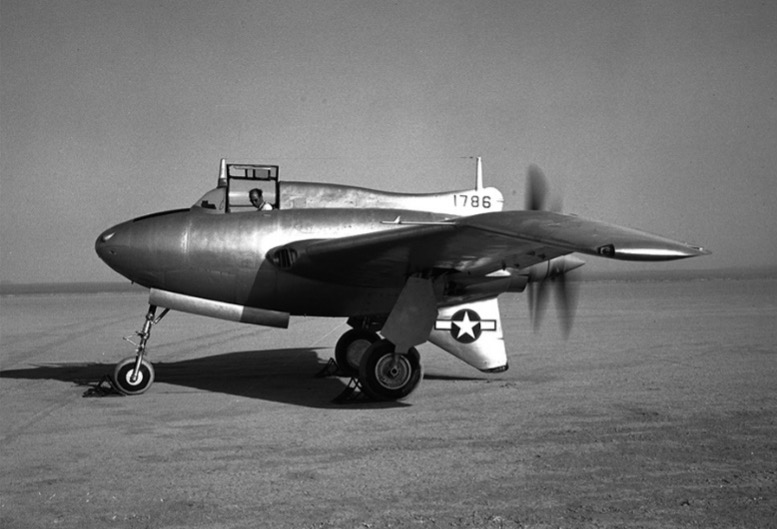
During the war years, magnesium featured extensively in aircraft such as the Focke-Wulf Condor 200 four-engine monoplane, the Convair B-36 Peacemaker (Figure 1), and the Northrop XP-56 Black Bullet prototype fighter interceptor (Figure 2). The Peacemaker was dubbed the “magnesium wonder of the world,” because it used over 4 tonnes of magnesium sheet, forgings, and castings. The Black Bullet prototype was the first all-magnesium welded airframe in history.2
Post-war, magnesium retained niche roles in structural brackets, wheels, and gear housings, but corrosion and flammability concerns — along with the rise of advanced aluminum and titanium alloys — reduced usage.
Modern Aerospace Use
Although magnesium use in commercial aircraft declined after the 1960s due to corrosion and temperature limitations, it continues to play a meaningful role across aerospace systems where weight savings are critical. Rotary-wing aircraft, such as the Sikorsky UH-60 Black Hawk and Boeing CH-47 Chinook, employ magnesium alloys in transmission housings,2 while other applications include gearbox systems. Spacecraft and launch vehicles — such as the Atlas, Titan, and Vanguard series, as well as Russia’s Soyuz and Vostok programs — have utilized magnesium for structural components due to its exceptional specific strength.1
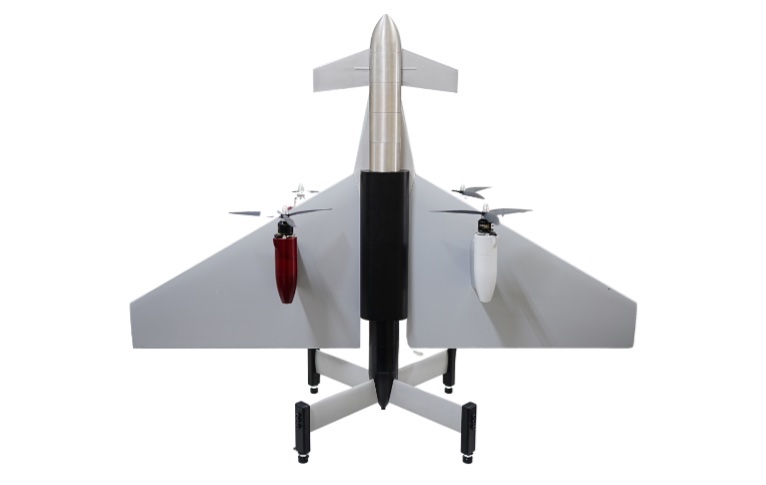
In UAVs and drones, magnesium’s low density, heat dissipation, and electromagnetic interference (EMI) shielding enable lightweight housings and frames, as demonstrated in DJI’s Phantom 4 Pro and EZ ProCoat’s all-magnesium drone structure achieving a 30% mass reduction (Figure 3).3
Overall, magnesium contributes modestly but strategically to modern aviation design, supporting weight reduction and performance optimization. It represents approximately 1-2% of the total mass of commercial airframes, military aircraft, and private aircraft.4 In military aviation, magnesium is most used in electronics and avionics systems, where its combination of low mass and electromagnetic shielding offers unique advantages. Driven by lightweighting goals and sustainability initiatives, magnesium use in the aerospace sector is expected to increase steadily through the 2030s at an annual growth rate of approximately 6%.4
The Persistent Challenges
Despite magnesium’s advantages in weight and strength, its broader adoption in aerospace has been limited by three key challenges, including corrosion, high-temperature strength, and flammability.
Corrosion: Magnesium’s high electrochemical activity makes it prone to galvanic corrosion. Although modern surface treatments — anodizing, conversion coatings, and advanced sealants — have significantly improved protection, careful design and exposure control remain essential.
High-Temperature Strength: Traditional magnesium alloys lose mechanical strength above ~120°C, restricting use near engines or thermal ducts. New rare-earth (RE) containing alloys, such as WE43 and Elektron 21, now maintain stability up to ~200°C, enabling broader use in propulsion and gearbox housings.2
Flammability: Historic ignition concerns have limited magnesium’s use in aircraft applications. However, modern RE-containing alloys (such as WE43 and Elektron 21)demonstrate much higher ignition temperatures, offering far greater flammability resistance.2 To validate these improvements, the U.S. Federal Aviation Administration (FAA) conducted extensive testing in the 2010s, assessing these and other new alloy formulations under cabin fire conditions. These findings led to provisional FAA approval of magnesium alloys for interior and seat-frame use, provided they meet defined standards.5 The research also shaped other governing body material standards, including the European Union Aviation Safety Agency’s (EASA’s) proposed special condition to allow magnesium seat components on the Airbus A350-941—marking a key step toward wider acceptance of magnesium in aircraft interiors and secondary structures.6
Future Outlook: Flying Cars and Beyond
The emerging advanced air mobility (AAM) sector represents magnesium’s most promising new frontier. Electric vertical takeoff and landing (eVTOL) vehicles and hybrid flying cars are exceptionally weight-sensitive, constrained by the low energy density of current batteries.
Manufacturers, such as Aridge (formerly known as XPeng AeroHT), have already integrated magnesium alloys into rotor control housings and instrument panel brackets for their Land Aircraft Carrier (Figure 4).7 The Land Aircraft Carrier is a modular flying car that integrates an electric minivan with a deployable eVTOL that can be airborne in less than five minutes. The electric minivan has a land range of over 1,000 km with the ability to charge the modular flying car while driving or parking for up to six flights.8

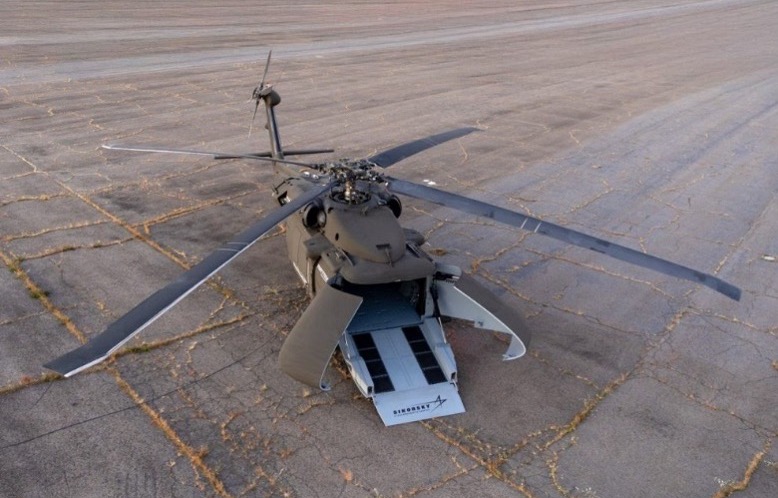
Autonomous aircraft where an emphasis on weight reduction directly affects flying range and payload efficiency is another future potential application for magnesium alloys. These aircraft include those such as the Lockheed Martin Sikorsy S-70UAS U-Hawk (Figure 5), a fully autonomous variant designed with the cockpit and manual flight controls removed to increase cargo volume, enabling larger payloads at remote flying ranges up to 1,600 nautical miles.9
Conclusion
Magnesium’s aviation journey spans from early 20th-century experimentation to 21st-century reinvention. Once the “miracle metal” of wartime aviation, new inventions in alloy compositions and surface technologies are enabling novel applications in air mobility for magnesium. With the rise of eVTOLs, drones, and newer mobility platforms — all operating where mass is the paramount constraint — magnesium stands at the threshold of a renewed era.
References
- Brown, R.E., “Magnesium Wrought and Fabricated Products Yesterday, Today, and Tomorrow,” Magnesium Technology 2002, ed. H.I. Kaplan, TMS, 2002, pp. 29–37.
- Gwynne, B. and P. Lyon, “Magnesium Alloys in Aerospace Applications: Past Concerns, Current Solutions,” Triennial International Aircraft Fire and Cabin Safety Research Conference, 2007.
- “EZ ProCOAT Tech Co., Ltd. Unveils Next-Generation All-Magnesium Alloy Drone at 2025,” EZ ProCOAT Tech, accessed October 15, 2025.
- Backeberg, Dr. Nils, “Project Blue Trends and Forecast in Aerospace & Defence Applications,” IMA Webinar, 2025.
- Marker, T.R., “Evaluating the Flammability of Various Magnesium Alloys During Laboratory and Full-Scale Aircraft Fire Tests,” FAA Report AR-11/3, USDOT, 2013.
- “Proposed Special Condition D-32 – Use of Magnesium Alloys for Passenger Seat Components (Applicable to Airbus A350-941),” EASA, March 25, 2015, accessed October 15, 2025.
- “Major Events in the Magnesium Industry in 2024,” Shanghai Metal Market, April 8, 2025, accessed October 11, 2025.
- “Aridge, Land Aircraft Carrier Modular Flying Car,” Guangdong Huitian Aerospace Co. Ltd., accessed October 13, 2025.
- “S-70UAS U-Hawk Fully Autonomous Helicopter,” Lockheed Martin, accessed October 16, 2025.
Editor’s Note: This article first appeared in the April 2026 issue of Light Metal Age. To receive the current issue, please subscribe.