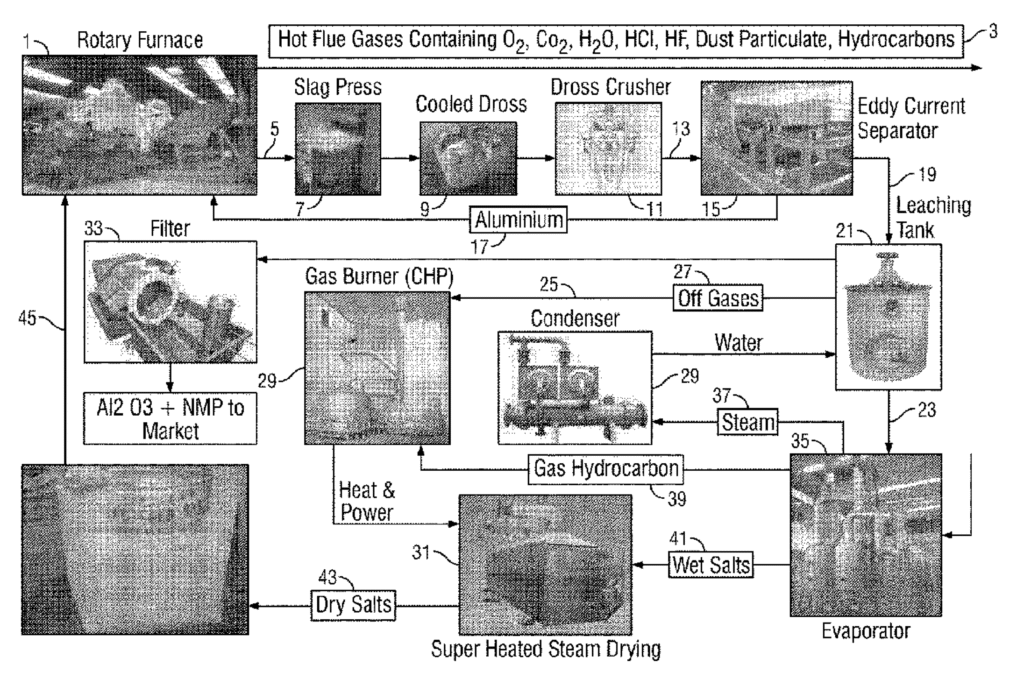
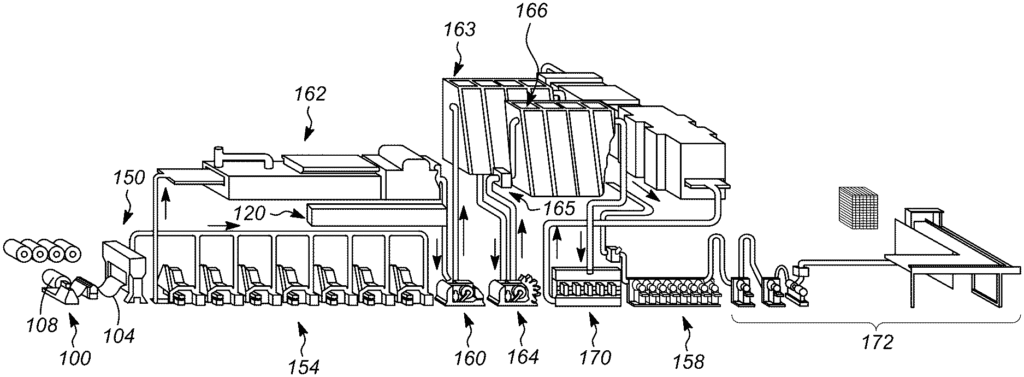
US12703895 — PROCESSING METHODS AND PROCESSING APPARATUS — Altek Europe Limited (GB) — Methods and apparatus for processing the upper layer material from a furnace preferably melting recycled aluminum, the material (slag) containing one or more salts one or more metals. The processing of the material removed from the furnace which is provided at a second location may include one or more steps after removal of the material from the furnace and forming of a compressed slag. The method includes feeding the compressed slag to a size reduction step; feeding the material from the size reduction step to a density-based separation step; feeding the material from the density-based separation step to a leaching step. The size reduction stage is optimized to provide for ferrous and non-ferrous metal separation. The ferrous separation is preferably provided by an eddy current separator. The non-ferrous separation is preferably provided by a cyclone. The first location and the second location are preferably owned and/or operated by the same legal entity.
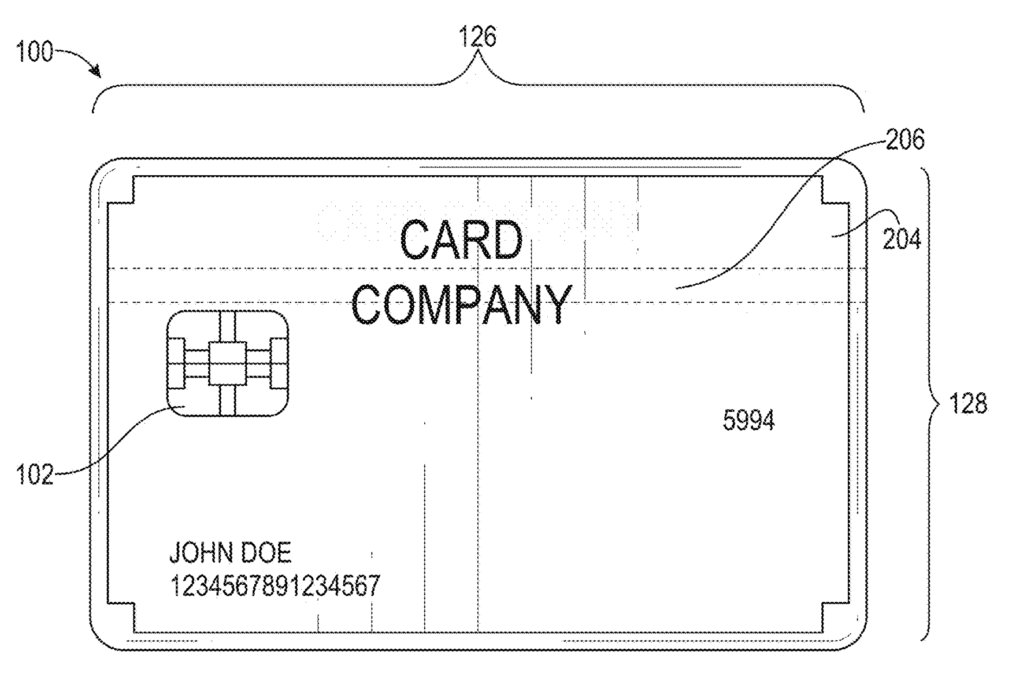
US12699866 — TRANSACTION CARD INCORPORATING ALUMINUM ALLOYS — American Express Travel Related Services Company, Inc. (USA) — Disclosed are examples of transaction cards incorporating aluminum or aluminum alloys. The aluminum can be extracted or recycled from a retired aircraft. Other materials can also be incorporated into the transaction card to provide sufficient weight and rigidity to the transaction card. Polyvinyl chloride can be incorporated into the construction of the card in combination with aluminum to provide a desired user experience. Aircraft grade aluminum can be extracted from a retired aircraft and repurposed into a transaction card. In this scenario, a customer can be provided with a metal transaction card that incorporates a portion of a particular aircraft, which can offer a differentiated premium card user experience. This experience can be desirable for card issuers and airlines that seek to attract and retain highly sought-after customers who frequently travel with an airline and utilize a co-branded transaction card for a considerable amount of spending.
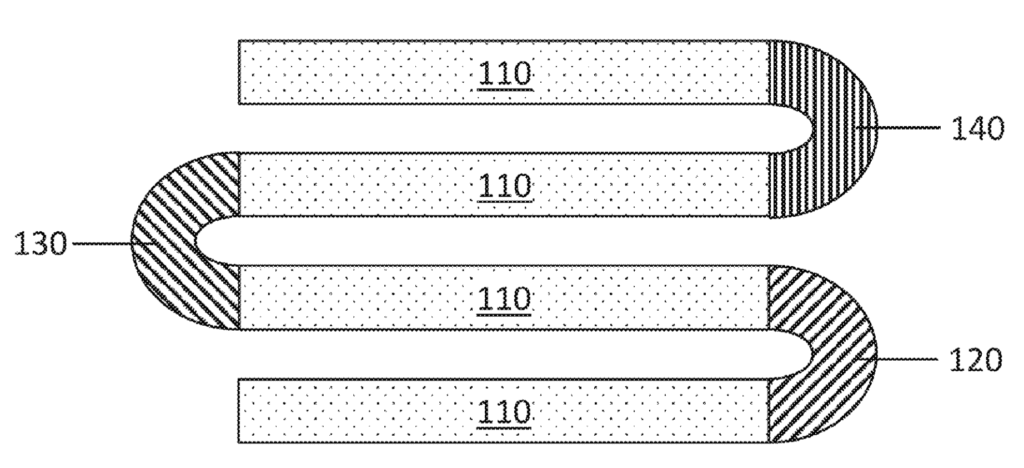
US12698545 — ARTICLES AND METHODS FOR PROCESSING SCRAP ALUMINUM — Massachusetts Institute of Technology (USA) — Articles and methods for processing aluminum are generally described. The aluminum may include compositions of gallium and/or indium such that the aluminum is activated to react with water. The plurality of layers may contain aluminum as well as gallium and/or indium, and the layers may be non-planar due to the inclusion of bends therein. Aluminum can be recycled by separating and sorting and reusing the metal in various applications. The method may comprise at least one polymeric coating disposed on the first and/or second surface of the at least one layer, further comprising a plurality of defects formed in the polymeric coating, wherein at least a portion of the defects are located at the bends, and wherein the defects are permeable to indium and/or gallium. The method further comprises fragmenting a layer comprising aluminum into a plurality of fragments, compacting the plurality of fragments to form a pellet, and exposing the pellet to a liquid composition including gallium and/or indium. However, it may also react, for example, with water to obtain useful products, such as thermal energy, hydrogen gas, and useful aluminum products such as aluminum oxyhydroxide, aluminum hydroxide, and aluminum oxide.
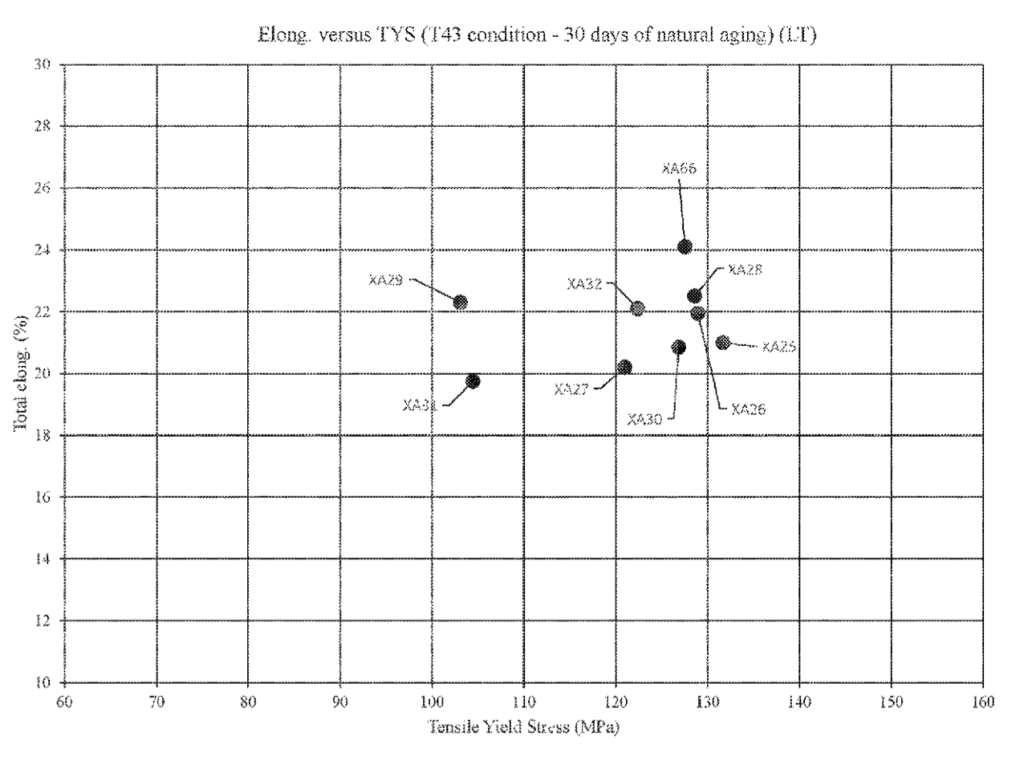
US12692577 — 6XXX ALUMINUM ALLOYS AND METHODS FOR PRODUCING THE SAME — Arconic Technologies LLC (USA) — New 6xxx aluminum alloys are disclosed. In one approach, a new 6xxx aluminum alloy may include from 0.25-0.60 wt. % Fe, 0.8-1.2 wt. % Si, 0.35-1.1 wt. % Mg, 0.05-0.8 wt. % Mn, up to 0.30 wt. % Cu, up to 0.35 wt. % Zn, up to 0.15 wt. % Ti, up to 0.15 wt. % each of Cr, Zr, and V, the balance being aluminum, incidental elements and impurities. The new 6xxx aluminum alloys may be made from recycled aluminum alloys. The new 6xxx aluminum alloys products may be produced from one or more recycled materials (e.g., recycled aluminum alloys), making them cost effective. The new 6xxx aluminum alloy products may achieve an effective combination of properties due to, for instance, the employed chemical compositions. In one embodiment, the new 6xxx aluminum alloys are in the form of a sheet product. The new 6xxx aluminum alloys sheet products may be useful, for instance, in automotive applications, such as for use as an inner hood or door panel of an automobile.
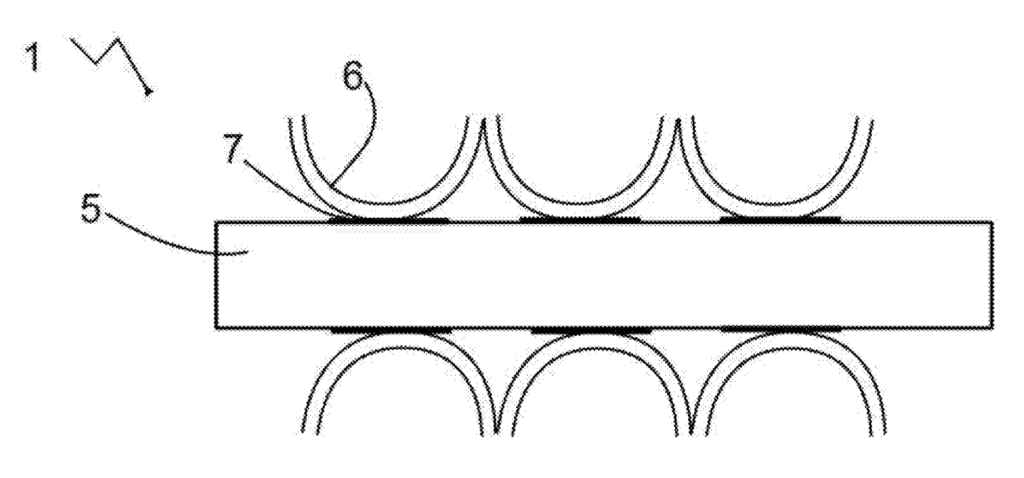
US12680767 — HEAT EXCHANGER FOR A MOTOR VEHICLE WITH AN ALUMINUM ALLOY AND METHOD OF MANUFACTURE — MAHLE International GmbH (Germany) — A heat exchanger for a motor vehicle is provided. The heat exchanger contains at least one element that contains aluminum. This element that contains aluminum has a core and at least one plating layer. The core is composed of a first aluminum alloy that contains approx. 0.5% to approx. 4% by weight Mn, and approx. 0.5% to approx. 4% by weight Mg. The at least one plating layer is composed of at least one other aluminum alloy. It is particularly advantageous that high recycling content can be obtained, even though it is difficult to remove alloy elements, e.g. magnesium, when recycling aluminum alloys. The portion of recycled aluminum in the element that contains aluminum is preferably more than 50%, at least in the core, and preferably more than 80%.
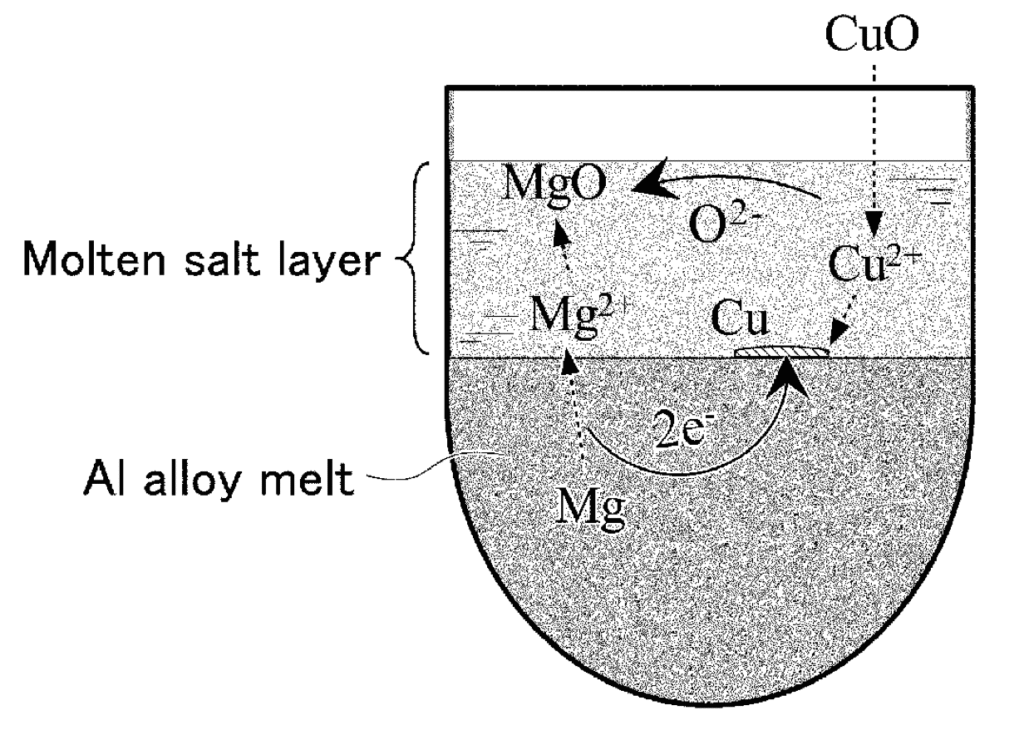
US12668855 — METAL REMOVAL METHOD AND METAL RECOVERY METHOD — Kabushiki Kaisha Toyota Chuo Kenkyusho Toyota Tsusho Corporation (Japan) — A method with which Mg can be removed from aluminum alloy melt whose raw material is scrap or the like. Metal removal method includes processing step of forming molten salt layer in contact with aluminum alloy melt containing Mg which covers at least part of the surface of the aluminum alloy melt. This method allows Mg to be taken in from aluminum alloy melt to molten salt layer and removed. The molten salt layer contains specific halogen element that is one or more of Cl or Br and specific metal element that is one or more of Cu, Zn, or Mn. The step of removing Mg is performed by disposing a conductor that bridges the aluminum alloy melt and the molten salt layer. In the Mg metal removal method of the present invention, Mg contained in the aluminum alloy melt is removed by being taken into the molten salt layer side through the contact interface between the Al alloy melt and the molten salt layer. According to this method, the Al loss and waste are reduced, and Mg can be removed efficiently or at low cost. Moreover, deterioration of working environment can be avoided because chlorine gas and the like are not used or generated.
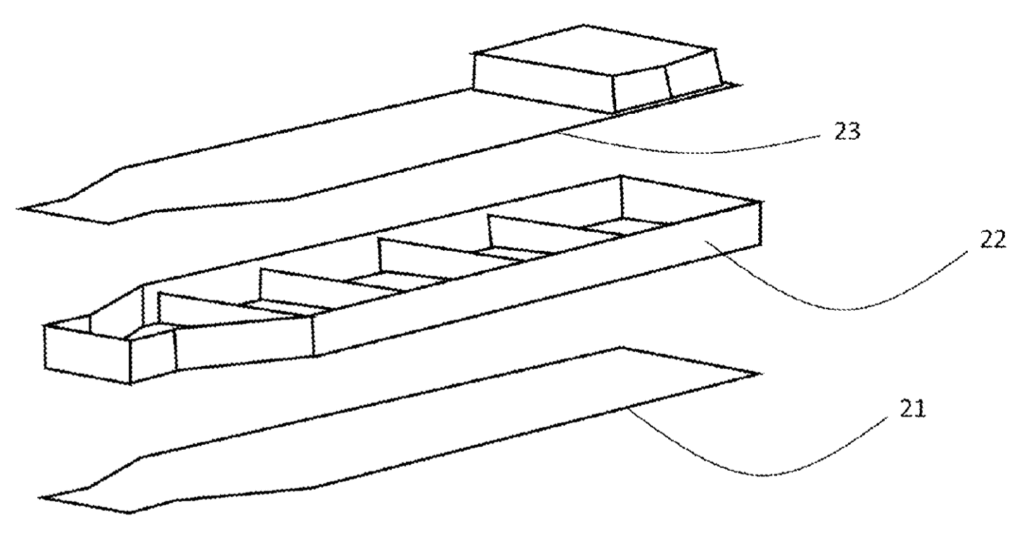
US12662722 — BATTERY TRAY BOTTOM FOR ELECTRIC VEHICLES — Constellium Neuf-Brisach (France) — The invention relates to battery trays for electric or hybrid vehicles. The bottoms of the battery trays are made of a thin sheet of aluminum alloy having a modulus of elasticity higher than 77 GPa to optimize thickness while ensuring resistance to intrusion. The invention also relates to a thin sheet of 4xxx series aluminum alloy whose modulus is higher than 77 GPa and whose yield strength Rp 0.2 is higher than 295 MPa. Preferably, the 4XXX series alloy contains at least at least 50% by weight of scrap; more preferably at least 80% by weight. The thin sheet comprising this invention has a composition of 4xxx alloy, in % by weight, Si: 10-14, Mg: 0.05-0.8, Cu: 0.2-2.0, Fe: <=0.5, Mn: <=0.5, optionally at least one element selected from among Na, Ca, Sr, Ba, Y and Li, the amount of said element if selected being 0.01-0.05 for Na, Ca, Sr, Ba, Y and 0.1-0.3 for Li, Sb: <=0.05, Cr: <=0.1, Ti: <=0.2, other elements <0.05 each and <0.15 in total, the remainder being aluminum.
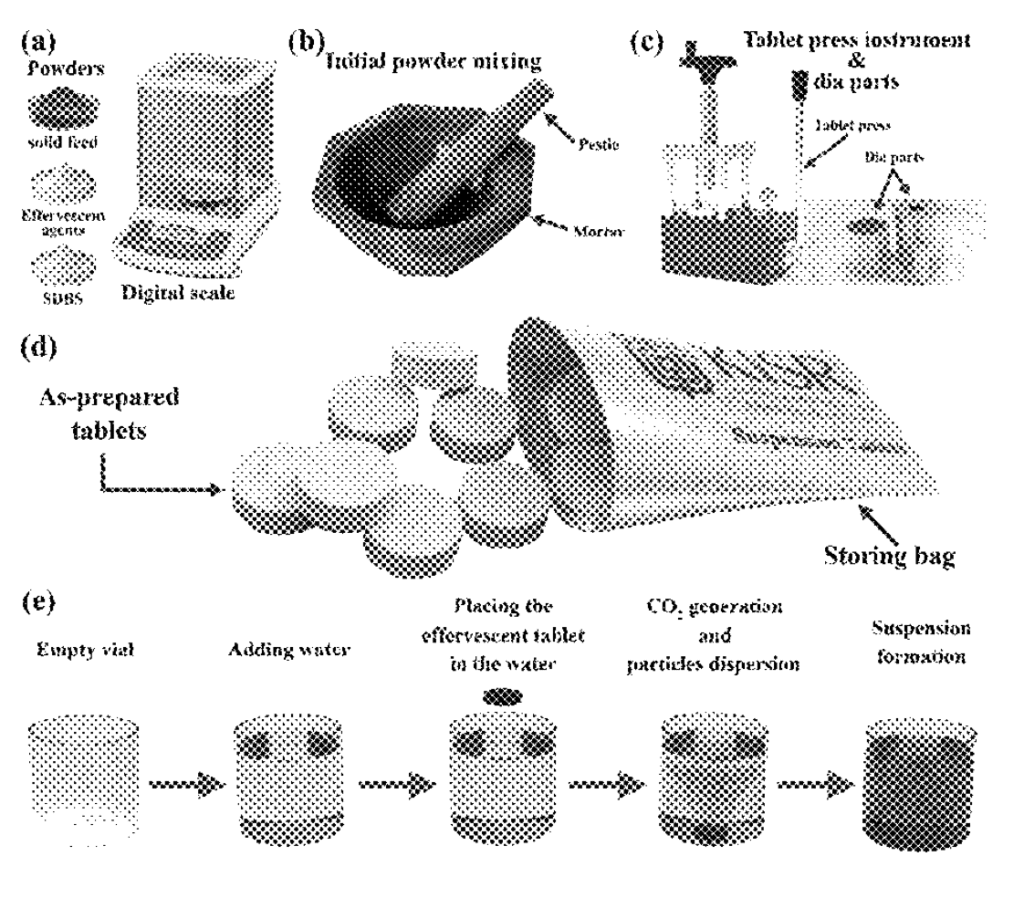
US12644165 — ALUMINUM ALLOY-BASED EFFERVESCENT TABLET FOR PRODUCING ENHANCED HEAT TRANSFER SUSPENSIONS — Kuwait University (Kuwait) — A method of forming nanoparticles from aluminum cans is provided, wherein the nanoparticles may be used to fabricate effervescent tablet for suspension production. The method includes collecting, cleaning, and drying aluminum cans; shredding and melting the aluminum cans and forming the melted aluminum cans into small parts; milling the small parts into a powder; sieving the powder to obtain a sieved powder; and ball milling the sieved powder to obtain nanoparticles. The particles may then be mixed with effervescent agents, e.g., sodium dodecylbenzenesulfonate, sodium bicarbonate, and citric acid, and surfactant and pressed to form the effervescent tablet. The effervescent tablet may be added to water to produce the colloidal suspension. Dispersing aluminum particles synthesized from aluminum solid waste into a base fluid may improve the overall (or effective) thermal characteristics of the suspension. The improvement may occur because the dispersed particles typically exhibit higher thermal conductivity compared to their host liquid which in colloidal suspension may improve the thermal efficiency of heat transfer applications such as heat exchangers, solar collectors, liquid cooled computers, among others.
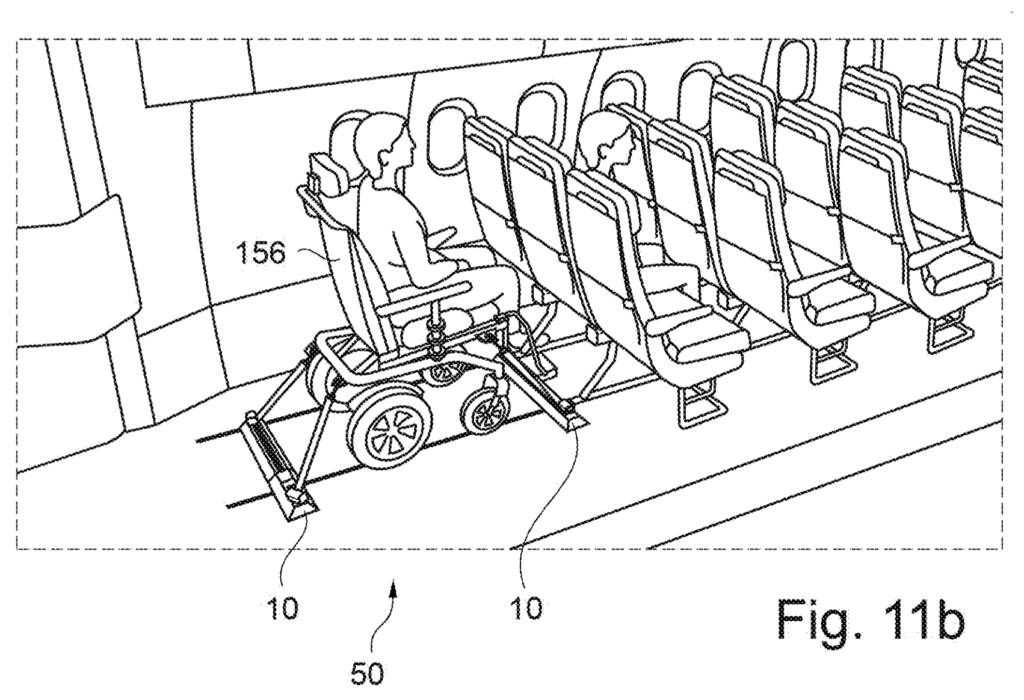
US12575982 — TRANSPORT OF PASSENGERS WITH REDUCED MOBILITY — Airbus Operations GmbH (Germany) and Airbus SAS (France) — A restraining device for restraining a wheelchair in a cabin area on board of an aircraft. The device comprises a beam-like base structure elongate in a beam extension direction, at least two floor connectors attached to the base structure and at least one restraining connector attached to the base structure. The floor connectors are spaced apart from each other in the beam extension direction. The floor connectors are configured to temporarily mount the base structure to a seat rail floor support in an aircraft cabin. The restraining connectors are configured to be temporarily connected to a structural part of the wheelchair to hold the wheelchair in place with a passenger seated therein. In an example, the base structures of the restraining devices are provided as bionic beams with material distribution adapted to the actual flow of forces with the base structures. As an example, recycled aluminum is used in additive manufacturing key parts that are paired with a bionic structure allowing for a sustainable and lightweight design.
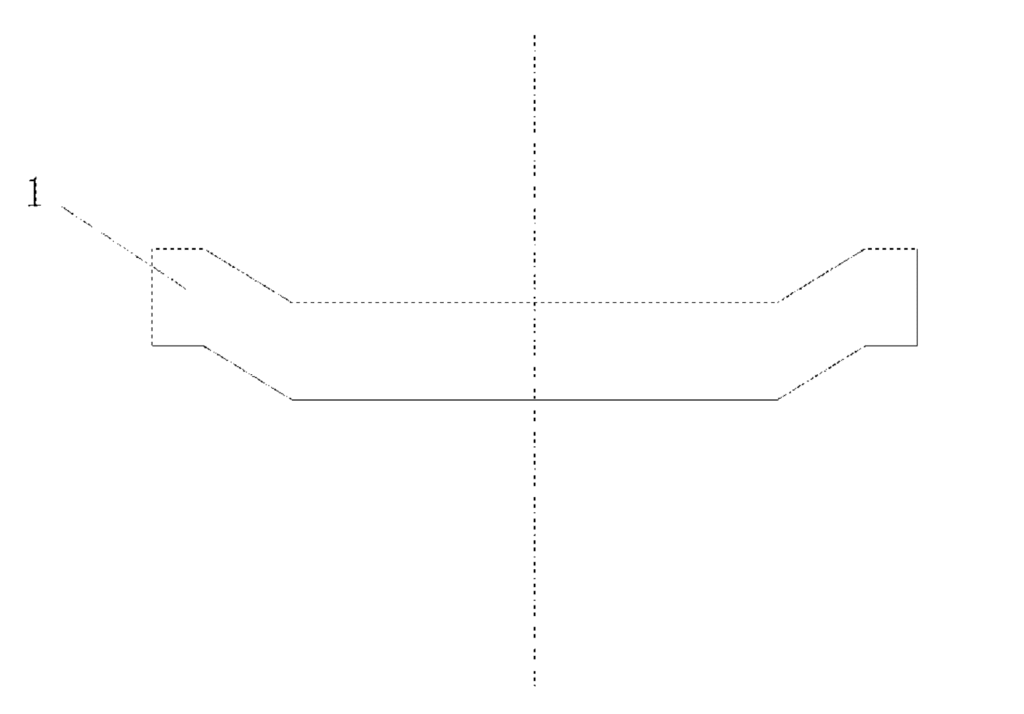
US12571076 — ALUMINUM MATERIAL, PREPARATION METHOD THEREOF, AND BOWL-SHAPED ALUMINUM BLOCK — Hangzhou CPMC Co. Ltd. (China) — An aluminum material, a preparation method thereof, and a bowl-shaped aluminum block are provided in the present disclosure to replace commercially pure aluminum which has good processing performance but relatively low strength. Controlling the manganese to 0.03-0.5 wt. % in the present disclosure can improve the structure and enhance the impact mechanical properties, while additions of nickel can improve the strength and corrosion resistance, strontium adjust the crystal orientation of the metal lattice to improve molding, and zirconium has a synergistic effect, which can improve the corrosion resistance and improve surface gloss. The aluminum material provided by the present disclosure has a hardness of 23-30 HB, a tensile strength of 70-100 MPa, a yield strength of 35-59 MPa, and an elongation at break of 40-60%. In the batching process, a 1090 standard aluminum ingot and 3003 recycled aluminum material, accounting for 10 wt.% of the feed, are mixed, loaded into a furnace, melted, and processed with other alloy additions before roll casting, hot and cold rolling, punching into bowl-shaped blocks, and further processing.
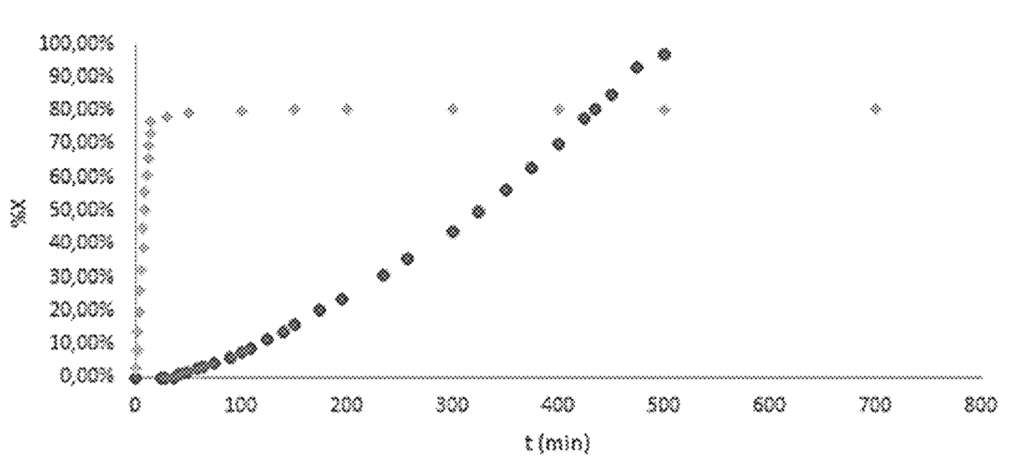
US12570523 — PROCESS FOR PRODUCING A HYDROGEN-RICH GAS STREAM FROM ALUMINUM WASTE — Befesa Aluminio, S.L. (Spain) — A process for the obtention of a hydrogen-rich gas stream from aluminum waste by obtaining a process water resulting from contacting aluminum salt slag with tap water, adding the process water of the previous step to an aluminum waste in a solution, and the hydrolysis of that solution to obtain the gas stream. Thus, a process for obtaining a hydrogen-rich gas stream from aluminum waste comprising: a) obtaining a process water resulting from contacting aluminum salt slag with tap water in a relation of 1:2 by weight during a time of reaction of 60-120 minutes, b) adding the process water from step a) to aluminum waste consisting of particles of 1 mm size or less, in a solution, and c) conducting a hydrolysis of the solution obtained in step b) to obtain the hydrogen-rich gas stream. The process is capable to obtain a yield of reaction close to 100% in higher reaction times.
US12545978 — ALUMINUM ALLOY AND COMPONENT PART PREPARED THEREFROM — NIO Technology (Anhui) Co., Ltd (China) and CSMET Group Co., Ltd. (China) — The disclosure relates to an aluminum alloy and a component part prepared therefrom. The aluminum alloy comprises: 7-9 wt. % of silicon (Si), 0.2-0.7 wt. % of manganese (Mn), 0.09-0.4 wt % of iron (Fe), 0.1-0.3 wt % of vanadium (V), 0.1-0.2 wt. % of titanium (Ti), 0.01-0.03 wt. % of strontium (Sr), and the balance being aluminum and inevitable impurities, wherein the weight ratio of the manganese (Mn) to the iron (Fe) is not less than 1. When recycled aluminum is used for blending, according to the actual control within the maximum range of 0.4, there is no need to add iron-related alloys, while the Ti, V, and Sr elements are added in the form of intermediate master alloys. The aluminum alloy of the disclosure can be exempt from heat treatment process after casting in the processing process e.g., die casting, to contribute to energy conservation and emission reduction, and the component part prepared therefrom can achieve desired mechanical properties.
US12515988 — SECONDARY ALUMINUM ASH FOR CONCRETE AND TREATMENT METHOD THEREOF — Guangdong Zhidao Advanced Civil Engineering Materials Technology Research Co., Ltd. (China) — Secondary aluminum ash is hazardous solid waste produced in the aluminum industry, consisting of elemental aluminum, aluminum oxide, and aluminum nitride, and secondary aluminum ash further includes some salts (fluoride salts, chloride salts, or the like) and silicon dioxide. The existing treatment process is difficult to effectively remove salts in secondary aluminum ash, and thus when used in concrete, the concrete has a high Cl content and corrodes steel structures. A treatment method of secondary aluminum ash for concrete is provided. The treatment method includes the following steps: (1) grinding the secondary aluminum ash to obtain ground secondary aluminum ash; (2) subjecting the ground secondary aluminum ash to deoxidation; (3) mixing deoxidized secondary aluminum ash with an alkali liquor, and conducting a reaction at 80° to 100°C for 3 to 10 h to obtain an intermediate system; and (4) adding calcium hydroxide and sodium hydroxide to the intermediate system, conducting a reaction at 100° to 200°C and 0.1 MPa to 1.55 MPa for 2 to 4 h, conducting solid-liquid separation, and washing a resulting solid to obtain the finished secondary aluminum ash product for concrete.
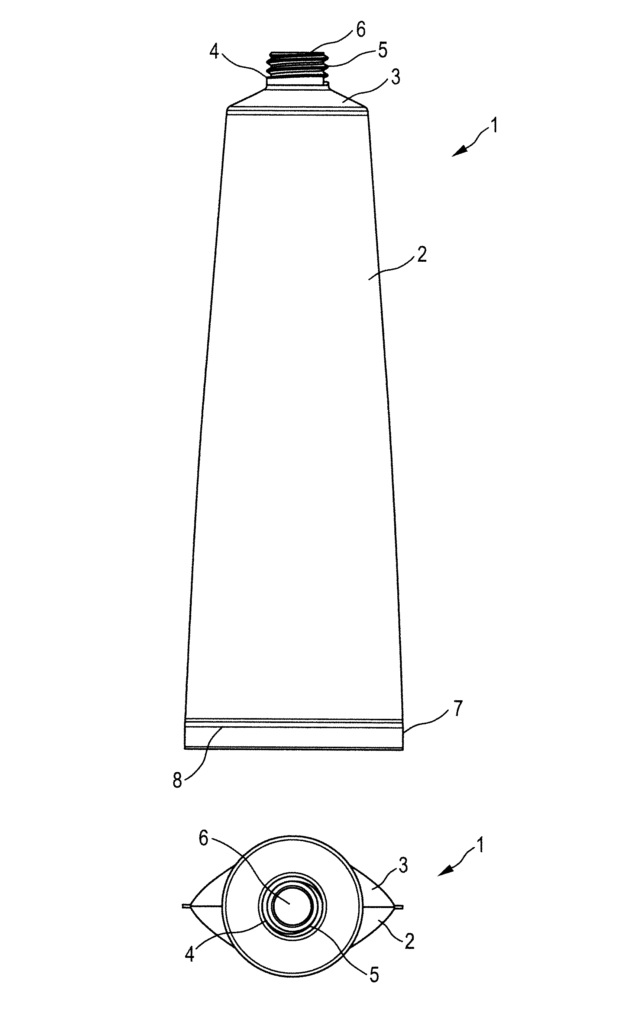
US12453995 — METHOD FOR MANUFACTURING AN ALUMINUM TUBE, A METHOD FOR MANUFACTURING AN ALUMINUM SLUG, AN ALUMINUM TUBE AND AN ALUMINUM SLUG — Tubex Tubenfabrik Wolfsberg GmbH (Austria) — A method for manufacturing an aluminum tube, including providing a slug of an aluminum alloy consisting of—>98.4% by weight of Al, —0.10% by weight to 0.30% by weight of Si, —0.25% by weight to 0.45% by weight of Fe, —0.01% by weight to 0.08% by weight of Cu, —0.15% by weight to 0.40% by weight of Mn, —at most 0.15% by weight of Mg, —at most 0.05% by weight of Zn, —at most 0.05% by weight of Cr, —at most 0.05% by weight of Ni, —at most 0.05% by weight of Ti and—at most 0.05% by weight of other impurities, wherein the aforementioned ingredients of the aluminum alloy add to 100% by weight, and impact extrusion of the slug to form an aluminum tube having a shoulder and a neck. The present invention rests on the surprising finding that post-consumer recycled aluminum scrap may be employed in a considerably higher content or proportion for manufacturing or producing aluminum tubes, i.e., collapsible or squeezable aluminum tubes without impairing their quality or increasing the hardness of the tubes.
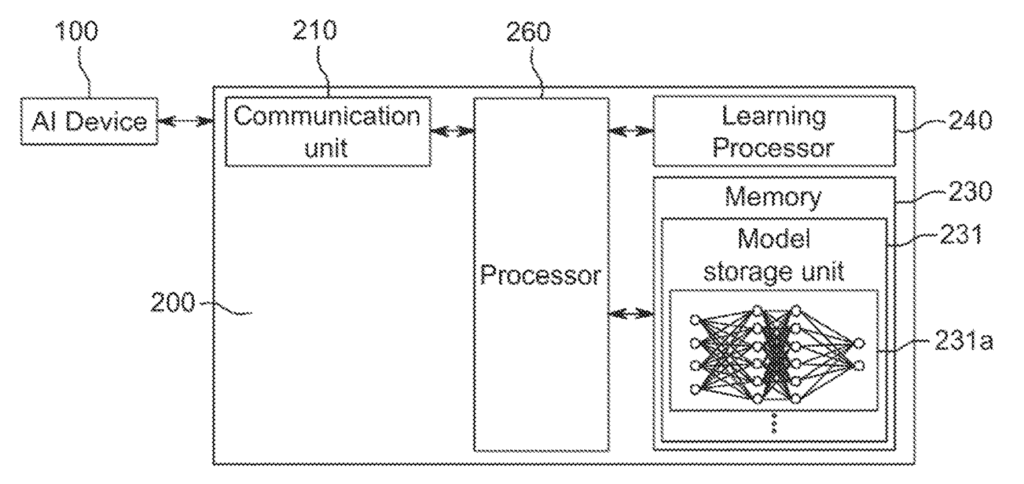
US12403528 — ALUMINUM MANUFACTURING PROCESS WITH RETROACTION LOOP — STAS Inc. (Canada) — The present invention relates to methods, systems, and devices to control and optimize direct chill casting of aluminum with machine learning assistance. An AI system is adapted to receive at least one parameter to be optimized for an article or its production. The user interface allows to set process parameters such as maximum or a minimum percentage of recycled aluminum to take part and constraints associated with equipment. The AI system processes the to-be-optimized parameter and generates an operating condition for a first phase of production. The AI system processes the operating condition and generates an AI operating parameter for processing the aluminum. The production equipment associated with the first phase processes aluminum, wherein there is an operating parameter for obtaining aluminum having an optimized quality characteristic at the end of the first phase, and wherein having the production equipment performing the AI parameter generates a deviation. Through the deviations over the different phases, the general production is prioritized over the production phases.
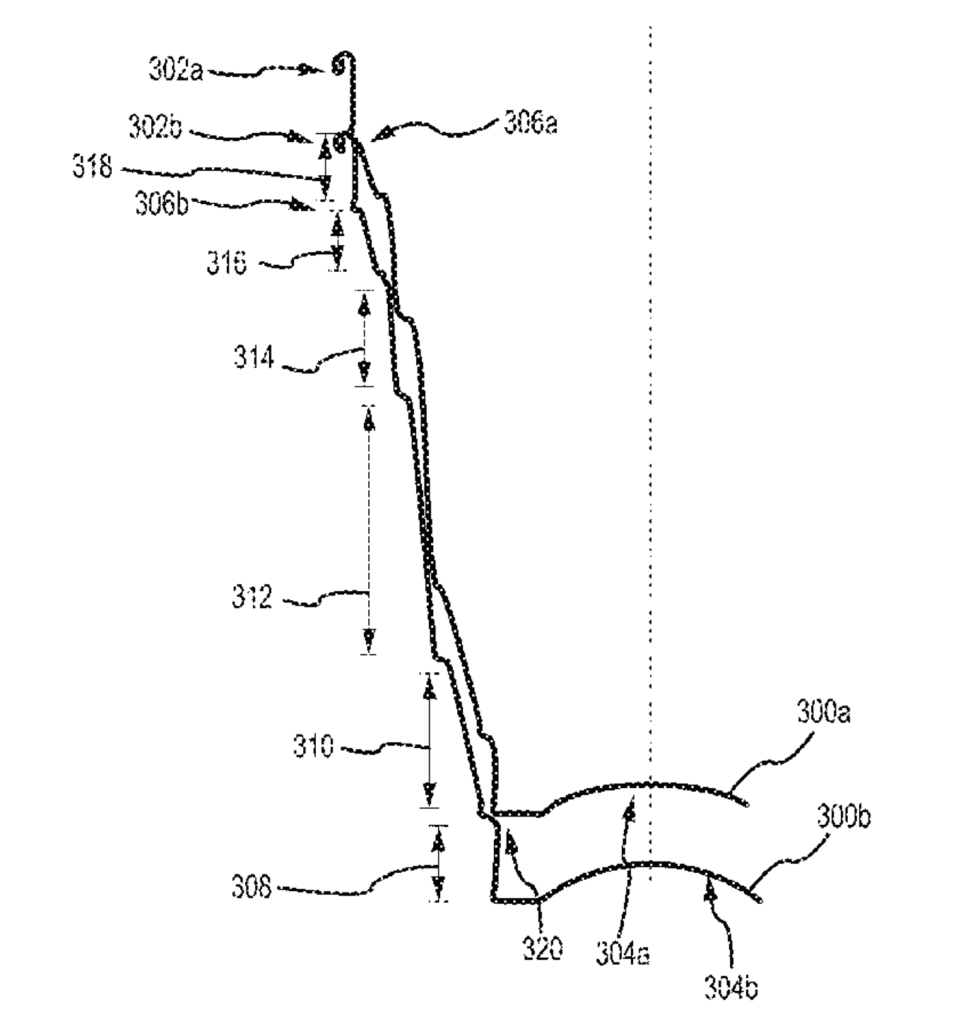
US12370594 — TAPERED CUP AND METHOD OF FORMING THE SAME — Ball Corporation (USA) — There has been a long-felt and unmet need to provide a metal cup that is reusable and recyclable. There has also been a need to provide a tapered metal cup that is stackable to enhance shipping and storing of a plurality of cups. Thus, a metal cup and method of forming the same is provided. In various embodiments, metal cups are provided comprising a thin-walled recycled aluminum alloy. Various embodiments, including those comprising thin-walled aluminum provide cups that are lightweight, are formed of a recycled material, and are more rigid, useful, and durable than conventional plastic cups. Metal cups of the present disclosure comprise a plurality of thin, straight-walled sections and a tapered profile that is stackable for shipping and storing of a plurality of cups. A domed portion is provided at the bottom of the cup. The cup may comprise a disposable cup, a reusable cup, or a recyclable cup.
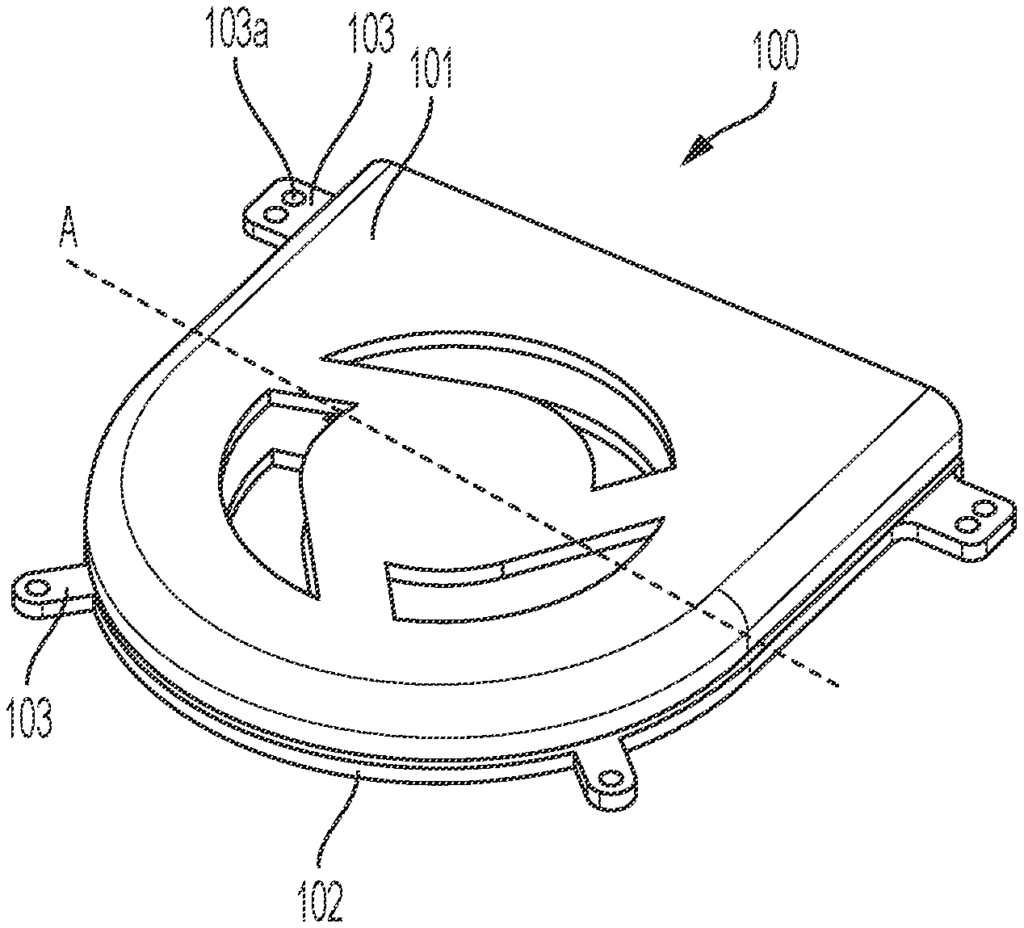
US12345273 — FAN COVERING WITH HIGH RECYCLE CONTENT AND HIGH THERMAL CONDUCTIVITY — Dell Products L.P. (USA) — The disclosure relates to a covering of a fan unit of an electronic device, said covering having high recycle content and high thermal conductivity. Disclosed is a covering of a fan unit of an information handling system. The covering contains a bottom covering and a top covering. The bottom covering contains i) copper and an aluminum alloy, or ii) 10 wt. % to 50 wt. % of a thermally conductive plastic, and 50 wt. % to 90 wt. % of a post-consumer-recycled (PCR) plastic and/or biodegradable plastic. The top covering contains copper and a second aluminum alloy. The bottom covering houses a motor and blades of a fan; the top covering abuts against the bottom covering, and the fan is positioned in a space formed between the bottom and top covering. The bottom covering can contain the same or other aluminum alloys as the top covering and may be 0.1-10 wt. % of copper and 90-99.9 wt. % of aluminum alloy, with up to 80% of the aluminum alloy being recycled material such as recycled aluminum. The copper in the bottom covering can be recycled copper.
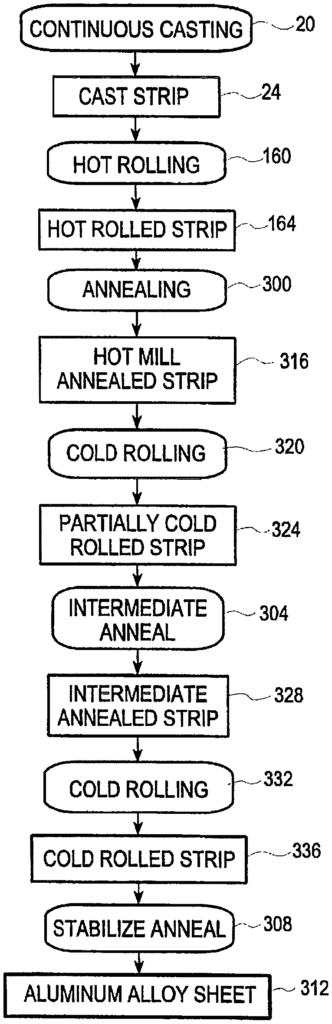
US12338521 — METHOD AND COMPOSITION FOR RECYCLING ALUMINUM CONTAINERS — Golden Aluminum, Inc. (USA) — Recycling of aluminum cans, though desirable, typically can only constitute about 20 to 35 wt. %, of the melt composition used for body, end and tab stock with the remainder as prime constituents. The present disclosure provides improved processes and compositions for continuously casting aluminum alloys, wherein at least 75% of the melt composition is derived from beverage container scrap and the melt composition comprises at least 0.50 wt. % manganese, at least 1.40 wt. % magnesium, at least 0.15 wt. % copper, at least 0.3 wt. % iron, and at least 0.15 wt. % silicon. The resulting aluminum alloy sheet produced by continuous casting and selected rolling and heat-treating procedures is useful for container body stock having sufficient strength and formability to be easily made into drawn and ironed beverage containers with low earing tendency.
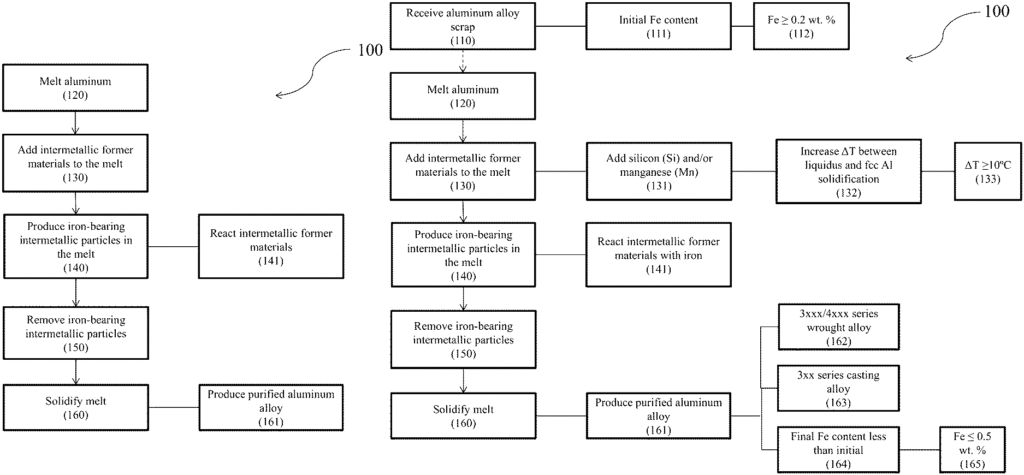
US12338507 — METHODS OF RECYCLING ALUMINUM ALLOYS AND PURIFICATION THEREOF — Alcoa USA Corp. (USA) — The present disclosure relates to methods of producing purified aluminum alloys from aluminum alloy scrap by producing a melt of the aluminum alloy scrap, adding one or more intermetallic former materials, such as Si and/or Mn, producing iron-bearing intermetallic particles, removing the iron-bearing intermetallic particles (e.g., by filtration), and solidifying the low-iron melt. In one embodiment, the produced aluminum alloy is a 3xx aluminum casting alloy. In another embodiment, the produced aluminum alloy is one of a 3xxx or a 4xxx wrought aluminum alloy. The addition of the intermetallic former materials to the melt may facilitate production of suitable end-use alloys, may facilitate the removal of iron from aluminum scrap in an industrially applicable temperature window, and may facilitate the reduction of the iron content in the aluminum alloy.
US12276010 — ALUMINUM ALLOY FOR HIGH PRESSURE DIE CASTING OF ULTRA-LARGE VEHICLE BODY STRUCTURES — GM Global Technology Operations LLC (USA) — A secondary aluminum alloy for high pressure die casting of ultra-large vehicle body structures includes about 4.00 to about 12.00 weight percent silicon (Si); about 0.20 weight percent maximum (Max) copper (Cu); about 0.40 weight percent Max magnesium (Mg); about 0.20 to about 0.60 weight percent iron (Fe); about 1.00 weight percent Max manganese (Mn); about 0.50 weight percent Max zinc (Zn); about 0.02 weight percent Max strontium (Sr); about 0.50 weight percent Max cerium (Ce); about 0.01 weight Max percent boron (B); and a remaining weight percent aluminum (Al). The unique composition of the new aluminum alloy allows for a higher weight percentage of iron (Fe), thus enabling the use of secondary aluminum alloys in the formation of the new aluminum alloy. The aluminum alloy provides an as-cast yield strength of greater than 130 Megapascals (MPa), ultimate tensile strength of greater than 260 MPa, and elongation of greater than 6% without the need for heat treatment.
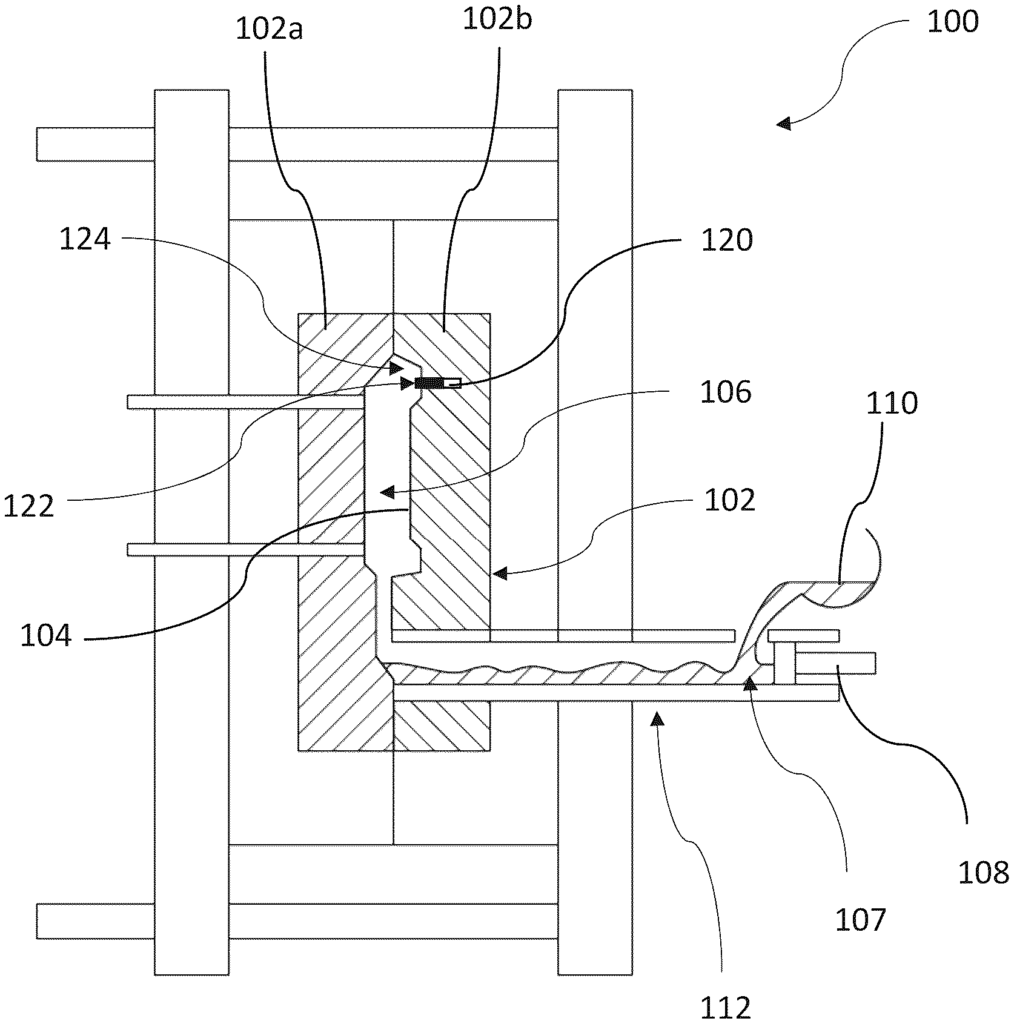
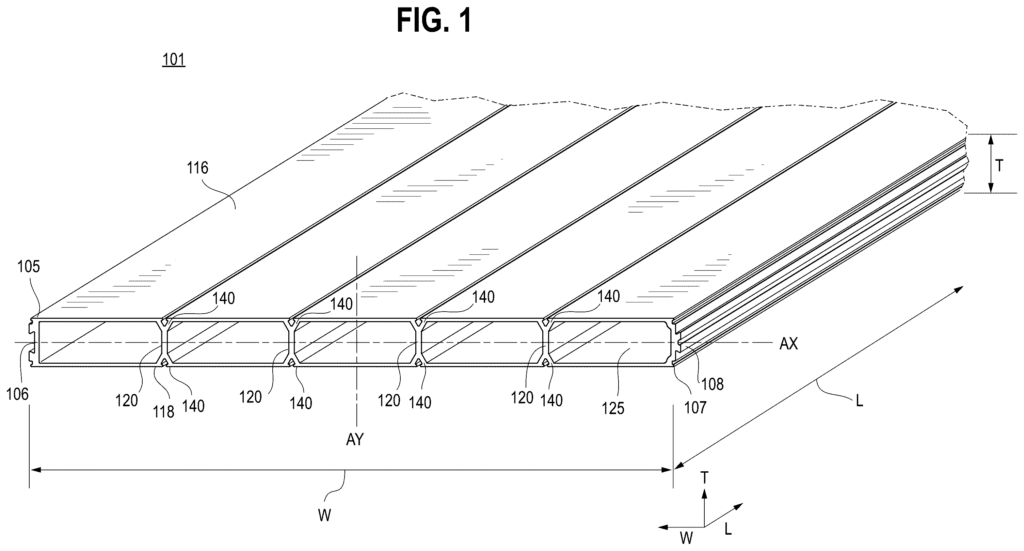
US12264489 — ENVIRONMENTALLY FRIENDLY REUSABLE STRUCTURE FOR USE IN CONSTRUCTION — Providencia Composites, LLC (USA) — A reusable modular structural member may replace wooden structures used in concrete forming, transportation, marine, and construction applications. The reusable modular structural member includes a structural profile preferably made of recycled aluminum with first and second sides; a plurality of support beams extending from the first to the second side; at least two fasteners, one at a first end and another at a second end of each of the plurality of ribs; and a groove on a first edge and a tongue on a second edge that are configured to form a dovetail joint that can attach two reusable modular structural members of similar configuration. A reusable modular member can include the modular structural profile and interfacial layers covering the first and second sides. The reusable modular member may be made by extruding the structural profile and molding a recycled plastic polymer to external portions of the structural profile to form the interfacial layers.
US12240029 — BEVERAGE CONTAINER BODY, CAN END, AND MATERIAL THEREFOR — Ball Corporation (USA) — In a method of forming a beverage container, a can body is formed from a metal alloy. A can end is formed from a substantially compositionally identical metal alloy. The metal alloy is a heat treatable aluminum alloy produced from up to 100% recycled aluminum material. The aluminum alloy is more preferably selected from the group consisting of a 4XXX series aluminum alloy, a 2XXX series aluminum alloy, a 6XXX series aluminum alloy, and a 7XXX series aluminum alloy. Heat treatment processes as disclosed herein are chosen based on the article manufactured therefrom and the desired mechanical properties to be exhibited by the alloys. The heat- treating step(s) may be performed prior to and after forming a can body step. The heat treatable aluminum alloy may be age-hardened between 225°F and 350°F after the step of forming the can body.
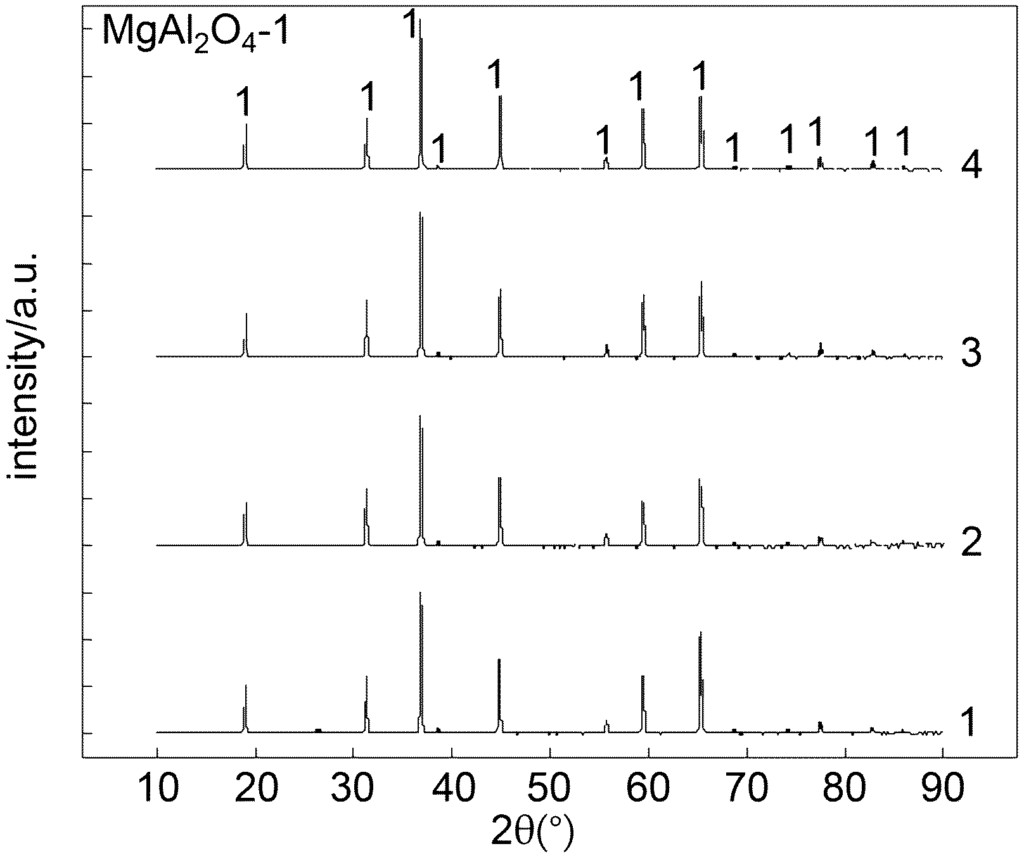
US12209056 — METHOD FOR PREPARING REFRACTORY FROM SECONDARY ALUMINUM DROSS — Chinalco Environmental Protection & Energy Conservation Group Co., Ltd. (China) and IAP, Jiangxi Academy of Sciences (China) — A method for preparing a refractory from a secondary aluminum dross, the secondary aluminum dross including silica and alumina, and the refractory including a basic magnesium-aluminum refractory or an acidic magnesium-aluminum-silicon refractory; when the secondary aluminum dross includes less than 5% by mass of silica, the refractory is the basic magnesium-aluminum refractory, and the method includes: subjecting a secondary aluminum dross powder, an aluminum source, a magnesium source and a magnesia-alumina spinel seed crystal to first mixing, and subjecting a resulting first mixture to one-step sintering to obtain the basic magnesium-aluminum refractory; when the secondary aluminum dross includes not less than 5% by mass of silica, the refractory is the acidic magnesium-aluminum-silicon refractory, and the method includes: subjecting a secondary aluminum dross powder, a silicon source, and a magnesium source to second mixing, and subjecting a resulting second mixture to one-step sintering to obtain the acidic magnesium-aluminum-silicon refractory.
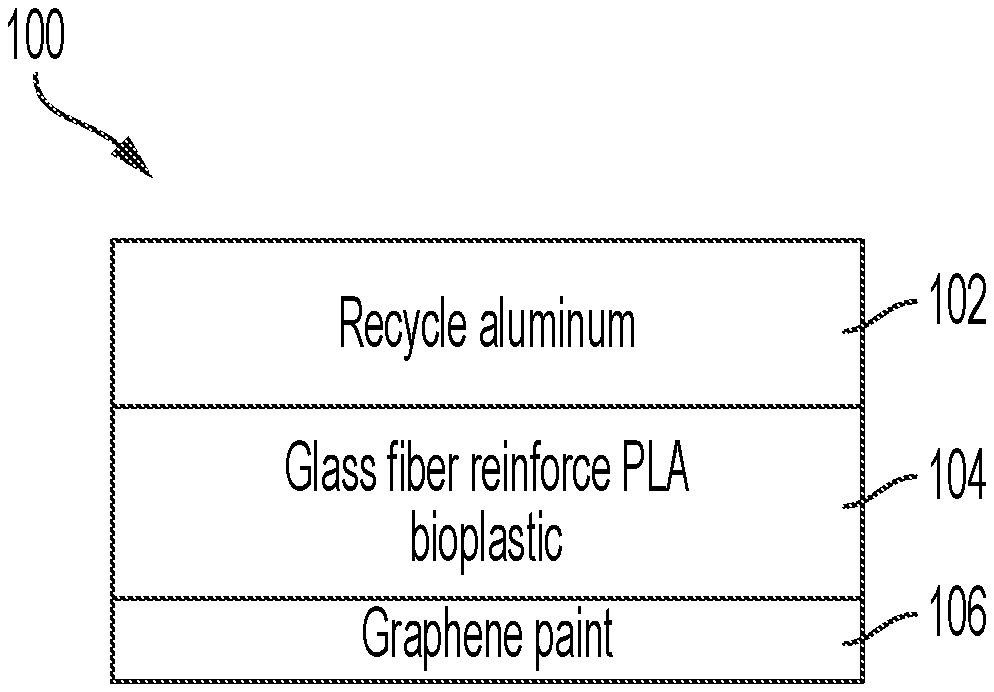
US12143523 — RECYCLED ALUMINUM WITH GLASS FIBER REINFORCED POLYLACTIC ACID (PLA) BIOPLASTIC FOR AN INFORMATION HANDLING SYSTEM — Dell Products L.P. (USA) — Disclosed is a covering for an information handling system. The covering includes a first layer and a second layer. The first layer is a polylactic acid layer that can be reinforced with a reinforcing component, such as glass fibers. The second layer is an aluminum layer and can include at least 50% recycled aluminum. The outer surface of the first layer may be provided with a graphene-containing coating that can help improve thermal management. The recycled aluminum can include at least 50% recycled content. The aluminum alloy can comprise at least one of 5052-aluminum alloy, 6061-aluminum alloy, and 6063-aluminum alloy. The second layer is anodized to provide a protective coating of oxidized aluminum on the outer surface of the aluminum.
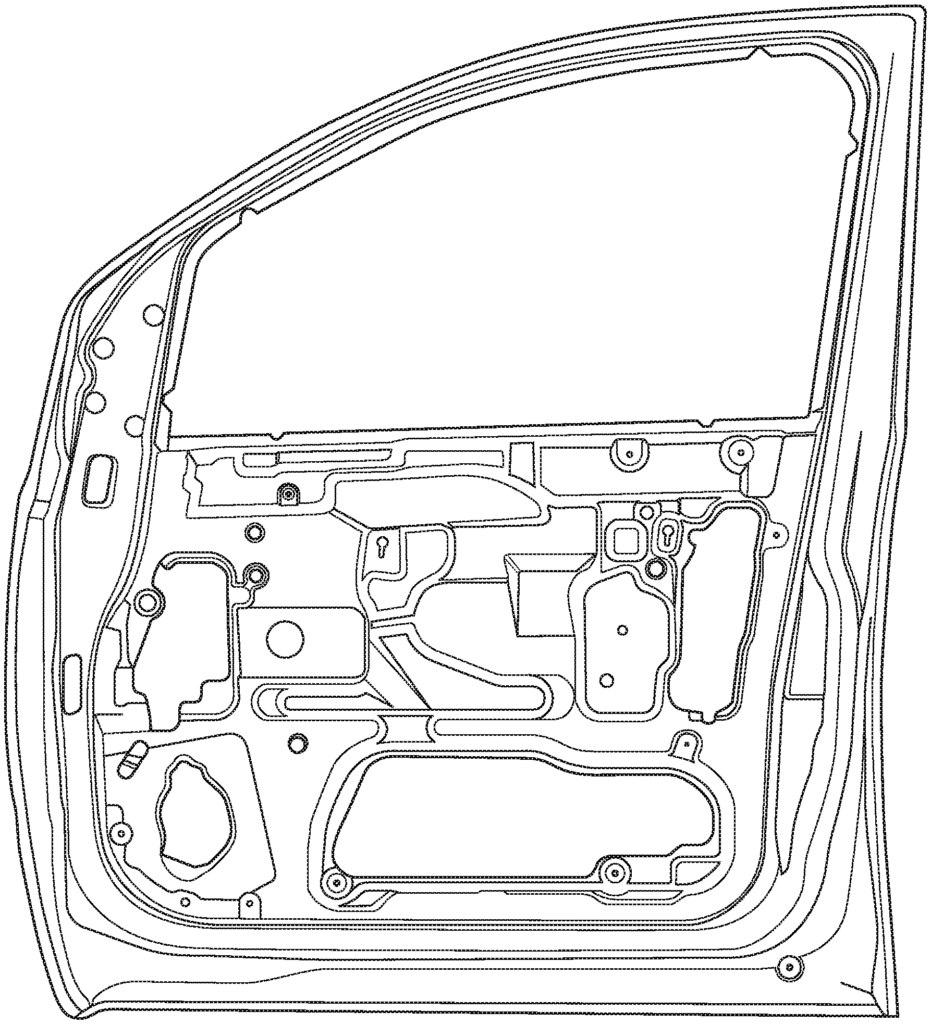
US12024759 — ALUMINUM ALLOY FOR HIGH PRESSURE DIE CASTING APPLICATIONS — Magna International Inc. (Canada) — An improved aluminum alloy for blending with a recycled aluminum alloy to form a material for high pressure vacuum die casting is provided. The improved aluminum alloy includes 10 to 12 wt. % silicon, 0.65 to 0.85 wt. % manganese, less than 0.05 wt. % iron, less than 0.05 wt. % magnesium, 0.2 to 0.4 wt. % strontium, less than 0.05 wt. % titanium, and less than 0.02 wt. % copper, based on the total weight of the improved aluminum alloy. The recycled aluminum alloy typically includes 0.60-1.0 wt. % silicon, ≤0.35 wt. % iron, ≤0.20 wt. % copper, 0.05-0.20 wt. % manganese, 0.40-0.8 wt. % magnesium, ≤0.20 wt. % chromium, ≤0.15 wt. % zinc, ≤0.05 wt. % titanium, ≤0.05 wt. % others (each), and ≤0.15 wt. % others (total). The material meets the specifications for an Aural 5S alloy. The recycled aluminum alloy is also typically obtained from a sheet, for example scrap from a door panel designed for use in a vehicle, wherein the recycled aluminum alloy can be blended with an improved aluminum alloy to form a structural component, according to an embodiment of the invention.
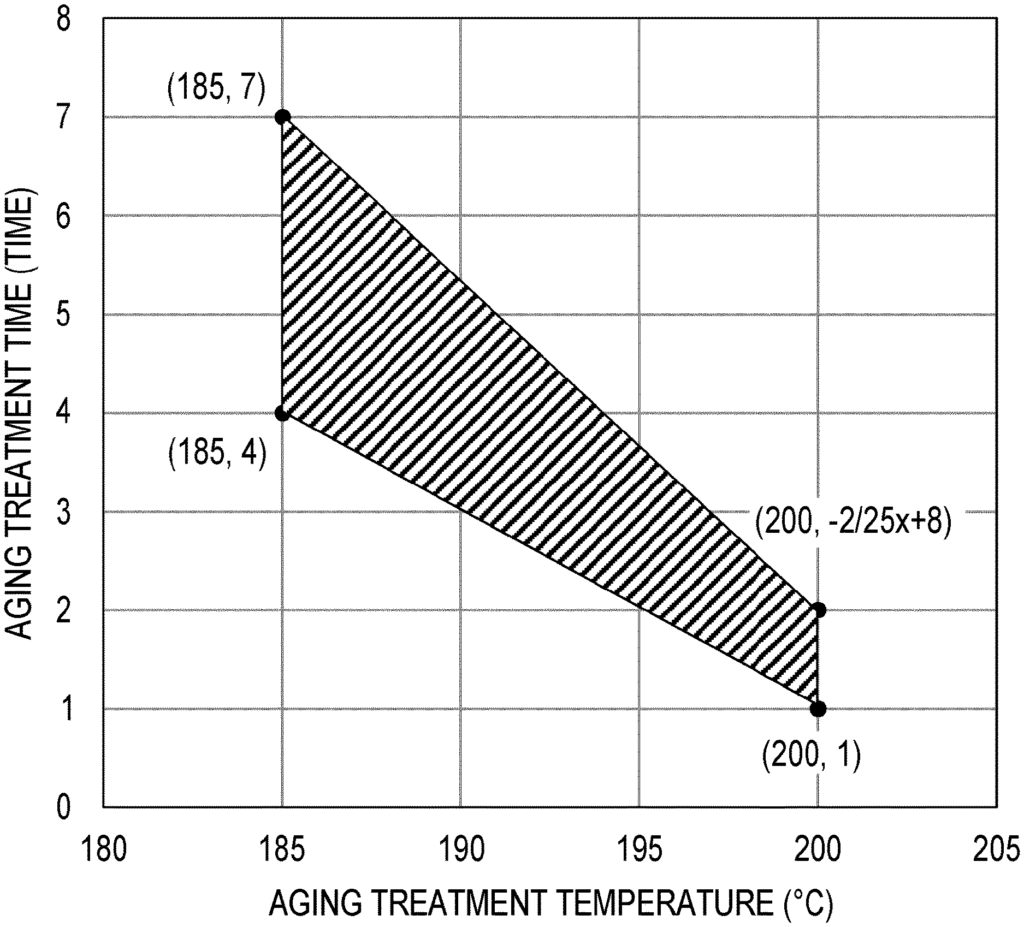
US12018355 — METHOD OF MANUFACTURING ALUMINUM ALLOY FORGED MATERIAL — Toyota Jidosha Kabushiki Kaisha (Japan) — A method of manufacturing an Al—Mg—Si aluminum alloy forged material, used in an undercarriage component of a vehicle that needs to be lightweight, and have high strength and high corrosion resistance, from a mixture containing 40-75% aluminum scrap, an aluminum virgin metal, and an additive element includes the following steps: a heating and melting step of heating and melting the mixture, a forging step of forging the mixture after heating and melting, and an aging treatment step of performing aging treatment on a material after the forging step under a condition that an aging temperature and an aging time are as follows: (aging temperature in oC, aging time in h)=within a range of a region surrounded by (185, 4), (185, 7), (200, 1), and (200, −2/25x+8).
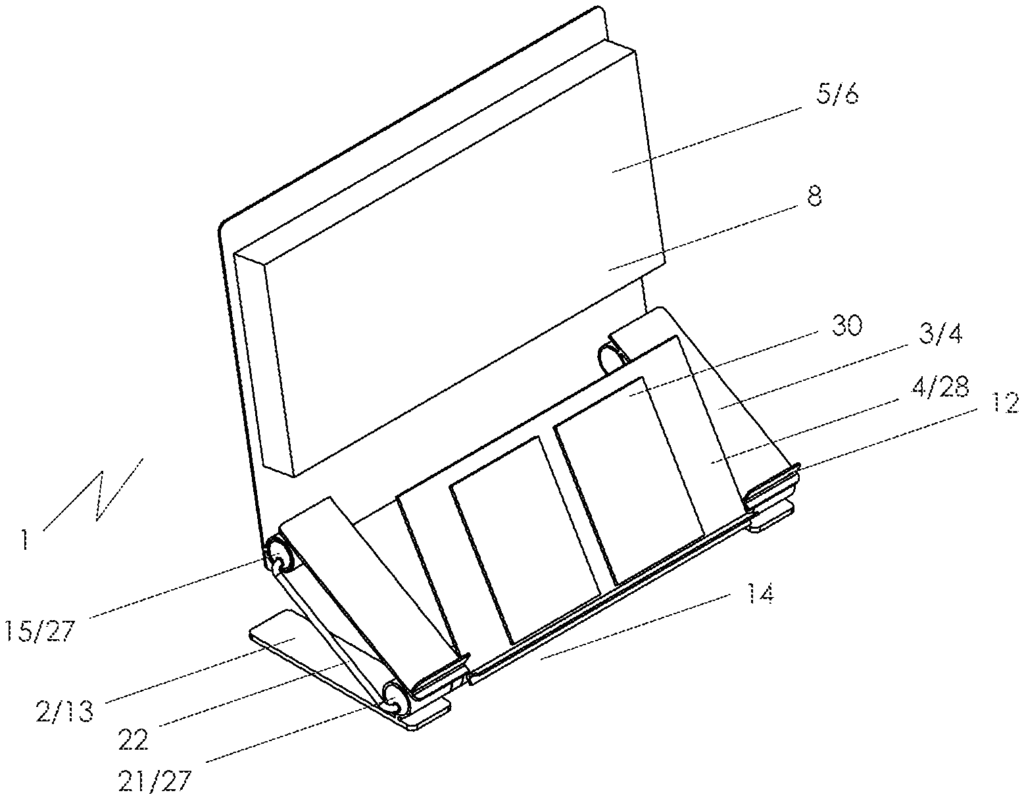
US12016456 — ACCESSORY SUPPORT DEVICE — Vlaar Innovations B.V. (Netherlands) — The disclosure relates to an accessory support device, comprising a support structure that defines a flat base plane and an inclined portion, that is supported on the support structure that extends in an inclined plane upward relative to the base plane from a front of the accessory support device to a rear of the accessory support device. Advantageously, the accessory support device may be made of a single piece and from a single material, e.g. by means of bending or extruding recycled aluminum. There may be different sizes of the accessory support device to accommodate different sized users. The accessory support device further comprises an upright portion that is supported on the support structure or on the inclined portion that extends in a mainly upright plane relative to the base plane from the rear of the accessory support device, so as to form a privacy panel that shields the user from being seen from the rear of the accessory support device. The upright portion and the inclined portion are angularly adjustably connected via an angle compensation device to compensate the upright portion for angular adjustment of the inclined portion.
US11999524 — ALUMINUM BOTTLE AND PREPARATION METHOD THEREOF — Hangzhou CPMC Co. Ltd. (China) — The present disclosure provides an aluminum bottle and a preparation method thereof. The present disclosure can improve the structure and enhance impact mechanical properties of an aluminum material by controlling manganese to be 0.03-0.5 wt. %, and supplementary alloying. The prepared aluminum material is light in weight and has the advantage of high bearing strength. In the present disclosure, the batching process preferably uses 1090 standard aluminum ingots and 3003 recycled aluminum bottles, homogenizes the slitting and mixing treatment, loads a 3-10 T furnace at 600-900 C for 0.5-1 h and adds a mix of Fe, Si, Cu, Mn, Mg, Zn, Ti, Ni, Zr, and Sr alloying agents. Use of 3003 recycled aluminum bottles in the present disclosure can realize resource reuse, improve environmental performance, and reduce costs. In the present disclosure, the amount of the 3003 recycled aluminum bottles preferably accounts for 10 wt. % of the feed. After the molten aluminum is obtained, the present disclosure performs primary slagging, refinement, secondary slagging, refined degassing, and casting rolling sequentially on the molten aluminum to obtain an aluminum coil billet.
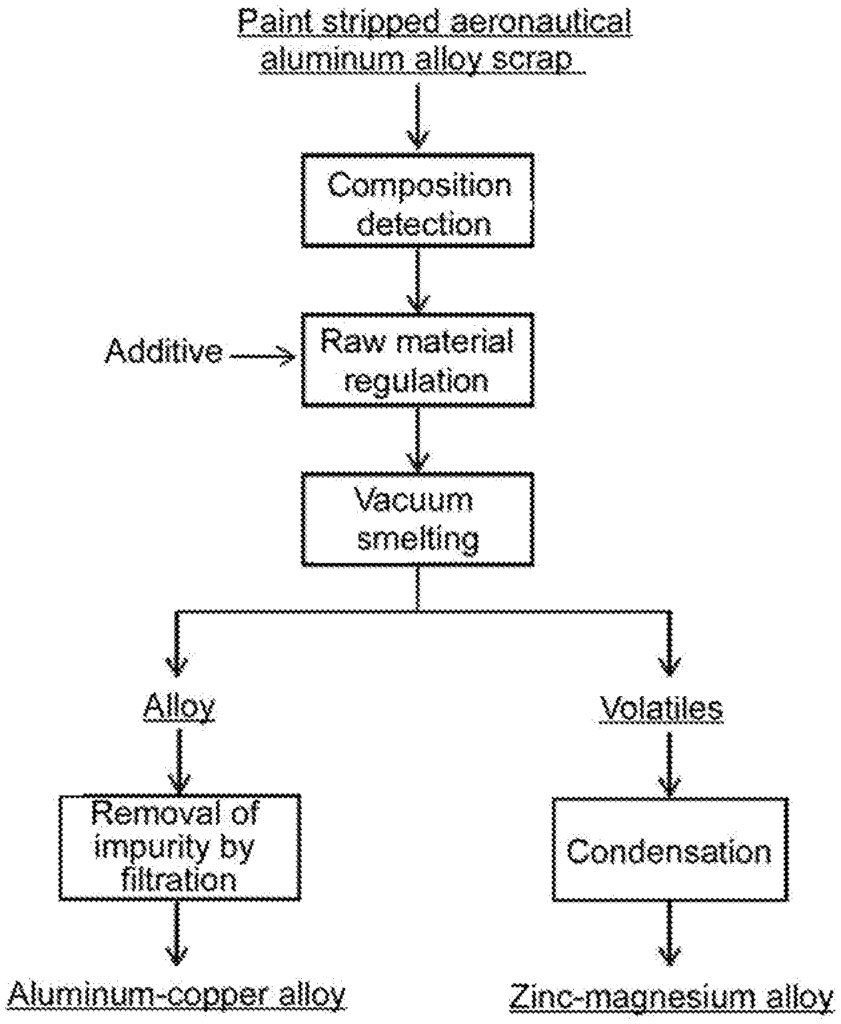
US11939644 — METHOD FOR REGENERATING COPPER-CONTAINING ALUMINUM ALLOY FROM ALUMINUM ALLOY SCRAP — The Boeing Company (USA) — Comparison of the composition between the 2xxx aluminum alloys and the 7xxx aluminum alloys, widely used as structural materials of aircrafts, shows that the technical difficulty that needs to be solved in the regeneration of the 2xxx copper-containing aluminum alloys is to achieve quantitative and effective regulation of the content of zinc, copper and magnesium. A method for regenerating different types of copper-containing aluminum alloys using aluminum alloy scrap from the aeronautical industry includes detecting a chemical composition of said aluminum alloy scrap and optionally adding a suitable amount of a metal or alloy additive according to a composition requirement of a target aluminum-copper alloy, thereby obtaining a mixture of aluminum alloy scrap and metal or alloy additive; vacuum smelting the mixture of aluminum alloy scrap and metal or alloy additive in a vacuum furnace, wherein impurities are removed and an aluminum alloy solution is formed; filtering the aluminum alloy solution using a filter to obtain a melt comprising a target aluminum alloy composition; and casting the target aluminum alloy composition from said melt.
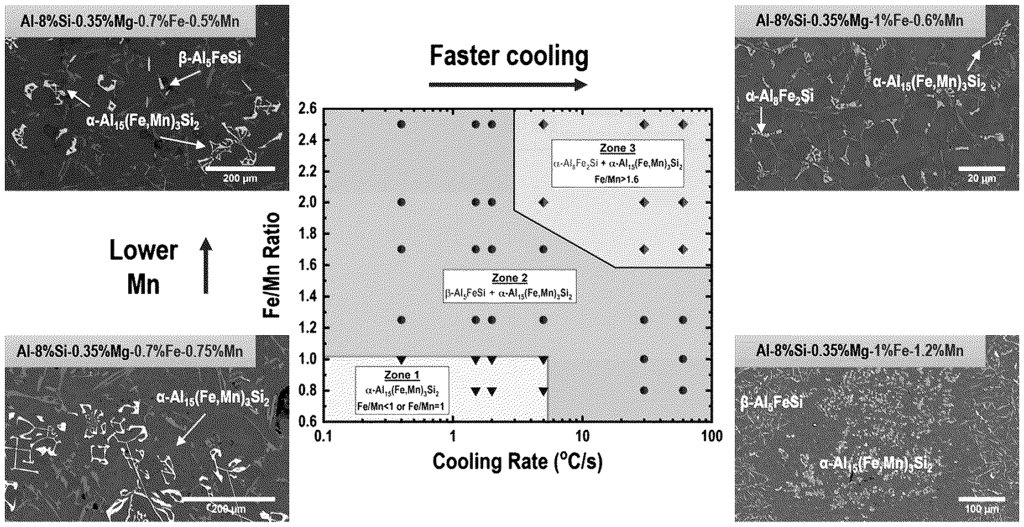
US11932923 — STRUCTURAL DIE CAST ALUMINUM ALLOYS — Ohio State Innovation Foundation (USA) — There is a need to improve methods of recycling aluminum which afford alloys suitable for use in applications where high performance is needed, especially, to prevent the formation of undesirable intermetallic phases, such as the β-Al5FeSi phase. Provided herein are aluminum alloys with high iron content and methods of making. The aluminum alloys comprise aluminum, silicon, iron, manganese, and other elements. In some embodiments, the iron is present in an amount ranging from 0.3 wt. % to 1 wt. %, and the manganese can be present in an amount (0.1-1.3 wt. %) to suppress (or even eliminate) the formation of a β-Al5FeSi phase during casting of the aluminum alloy. In some embodiments, strontium can be present in an amount ranging from 0.005 wt. % to 0.015 wt. % (50-150 ppm), silicon from 5 wt. % to 12 wt. %, magnesium from 0.1 wt. % to 0.5 wt. %, and copper up to 0.5 wt. %. Also described are methods of forming an aluminum alloy, and methods of improving mechanical properties of a secondary aluminum alloy.
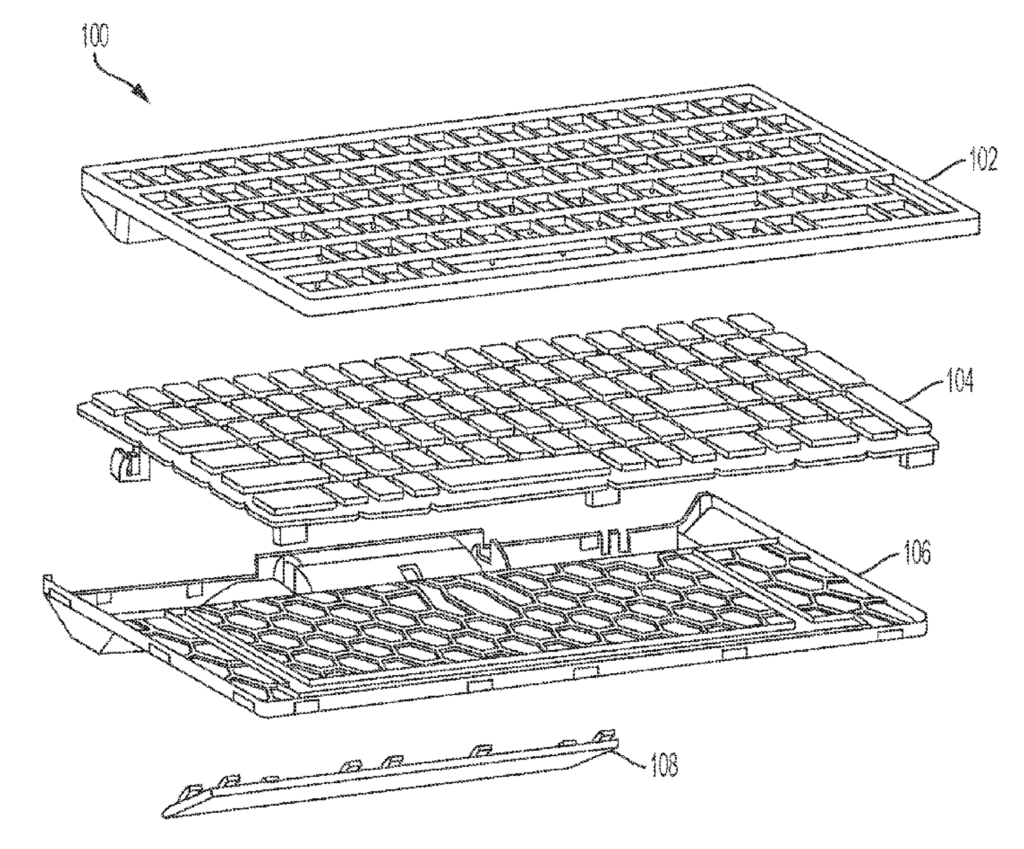
US11845294 — KEYBOARD WITH RECYCLED AND BIODEGRADABLE COMPOSITE MATERIAL FOR AN INFORMATION HANDLING SYSTEM — Dell Products L.P. (USA) — Disclosed is a keyboard for an information handling system. The keyboard includes a top cover comprising a polyester and a plurality of jute fibers, a keycap assembly comprising one or more keycaps, and a bottom cover comprising a first polylactic acid (PLA) and a post-consumer resin (PCR). The keycap assembly can be positioned between the top cover and the bottom cover, and the top cover can include one or more openings keycap assembly keycaps to protrude through. The keyboard can include recycled, recyclable, and/or biodegradable plastics, adhesives, and metallic components that provide a reduced environmental footprint, as compared to traditional keyboards. The keyboard’s recycled, recyclable, and/or biodegradable components are assembled and arranged to provide strength and durability that is equal to or greater than traditional keyboards. In some embodiments, at least a portion of the aluminum in the bottom cover comprises recycled aluminum in an amount to 100 wt. % of the total aluminum in the bottom cover.
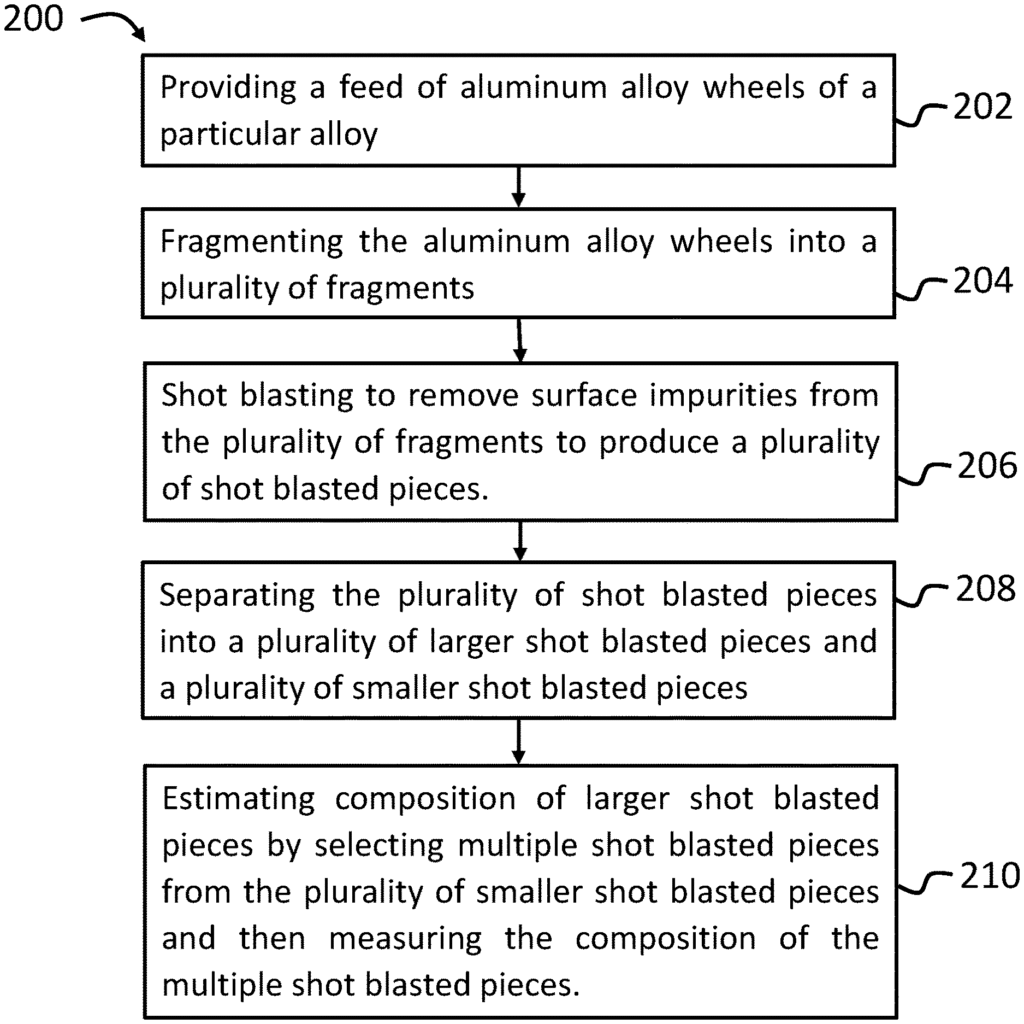
US11795523 — METHOD AND SYSTEM FOR IMPROVING WASTE METAL BATCH COMPOSITION — House of Metals Company Limited (Canada) — Described herein is a method for recycling aluminum alloy wheels. The method includes the steps of providing a feed of aluminum alloy wheels of a particular alloy; fragmenting a quantity of the aluminum alloy wheels into a plurality of fragments; subjecting the plurality of fragments to shot blasting to remove surface impurities from the plurality of fragments to produce a plurality of shot blasted pieces; separating the plurality of shot blasted pieces into a plurality of larger shot blasted pieces and a plurality of smaller shot blasted pieces; and, providing the plurality of larger shot blasted pieces for use in producing a recycled aluminum alloy, without providing the plurality of smaller shot blasted pieces for use in producing that recycled aluminum alloy.