
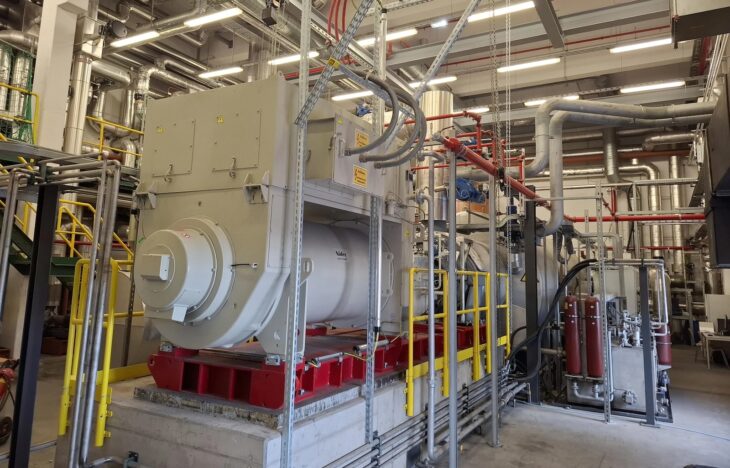
Novelis Inc. commissioned a new energy recovery system at its Nachterstedt recycling plant in Germany. The approximately €2.6 million investment will convert waste heat from the plant’s recycling operations into electricity for use at the facility, improving energy efficiency.
“Our team’s strong technical expertise and execution capabilities are what turn investments like this into meaningful improvements in our operations,” said Folker Ohle, senior vice president of operations for Novelis in Europe. “By identifying opportunities to recover energy that would otherwise go unused and successfully integrating solutions into a complex recycling operation, our teams are strengthening the performance and resilience of the plant while reducing emissions and advancing our Novelis 3×30 goals.”
Novelis’ Nachterstedt Recycling Center is the largest aluminum recycling center in Europe and can process approximately 400,000 tonnes of aluminum scrap annually. The plant plays an important role in Novelis’ circularity strategy by returning recycled aluminum to the value chain for use in new, high-quality products.
The new heat recovery system captures waste heat generated during decoating, a stage of the recycling process that removes coatings and other organic materials from aluminum scrap before it is remelted. Novelis estimates that the recovered heat could generate approximately 8.2 million kWh of electricity annually, equivalent to about 15% of the plant’s annual electricity demand. This will reduce the plant’s reliance on external electricity and will also avoid an estimated 3,000 tonnes of CO₂e emissions each year (actual performance will depend on operating hours and applicable emissions factors).
The investment also supports the Novelis 3×30 sustainability vision, the company’s framework for increasing aluminum circularity and reducing the carbon footprint of its products and operations by the end of 2030. The vision involves three global objectives by 2030, which includes increasing the company’s average recycled content to 75%, achieving less than 3 tonnes of CO2e per tonne of flat rolled product (FRP) shipped, and continuing first-mover investments to lead the industry to circularity.